I believe in the value of shared experiences. It’s one of the ways we can help one another. That’s why I like memoirs.
Charlie Sheen, in The Book of Sheen, talked a lot about his recovery experience, including AA.
With his “Charlie Harper” humor and his candidness, he referred to AA’s Big Book as a medieval book, called AA sponsors “morons,” and the people in rehab “lunatics.” He wrote about the meetings where everyone “robotically” says “Hi (insert your name here)” in unison after you introduce yourself. He didn’t like being asked to share and scoffed at the members holding hands to pray.
Personally, I have never liked that meetings felt like a pick-up bar without the bar, especially if you seemed to be new. Sometimes, too, when people share, you hear things you can’t get on board with and want to yell, “WHAT??!!”
Now writing this, I can just hear my old boss shouting, “I drink, but I hate those goddamn programs.” Well, if addiction to one thing or another isn’t wreaking havoc in your life, then none of this applies to you, so don’t worry.
The question is, can people who do have a problem quit drinking and using drugs without AA or NA? I believe they can do it however they want. At the same time, if they want the emotional sobriety that their addiction has taken away from them, they need to work on themselves, if not through a twelve-step program, then some other way.
But I’m going to defend twelve-step programs here because the creators of these programs truly understood the disease and the character defects an addict needs to work on. Oh, and that “medieval book” continues to offer so much wisdom. This is a program that provides you with a better design for living that includes responsibility, accountability, honesty, a downsized ego, an effective interdependence, and more.
Some of the AA practices can feel strange, yeah, especially for someone who is new, filled with fear and plagued by social anxiety. However, a lot of what addicts don’t like when they first arrive is exactly what gets them where they need to be. We are broken when we finally seek recovery. For some, it’s the first time they feel they belong somewhere and have people they can relate to or who can relate to them. Sharing and speaking helps them overcome their social anxiety or get some control over it. Over time, their confidence will increase, and they will feel better about themselves, rather than unworthy or less than. Of course, that’s the case because drinking and drugging makes you feel less inhibited. They help you feel more comfortable—that is until they don’t, or they get you in precarious situations.
You learn to heed advice, respect the rules, develop boundaries. People in the meetings may be sober, but they are still human and can be inappropriate to varying degrees. It’s why they tell women to stick with the women and men to stick with the men—at least until you get your bearings.
Sure, you will hear things you don’t like, don’t agree with, but you will hear good stuff, too. A lot of good stuff. And that’s why they advise you to “Keep what’s worth keeping.” There’s a quote by Dinah Maria Mulock Craik that says: Keep what is worth keeping and then, with a breath of kindness, blow the rest away. The breath of kindness may not always be possible, but restraint will often do.
I did laugh when Charlie mentioned the holding hands at the end. I felt that way even when I went to church back in the day, and it came time to turn around and offer one another the sign of peace while shaking hands. It’s not the holding or shaking hands that I dread. And it certainly isn’t offering peace to others—that’s beautiful. But there’s a pressure I’d feel when those moments were about to happen in a group setting. It was the anticipation of that moment because while I was actually holding hands in an AA meeting or shaking hands in church, I was fine. It’s the same feeling you get before it’s your turn to share or speak. People who know me well wouldn’t think chatting could ever make me nervous. So, what I described here could have some link to social anxiety, maybe the fear of how people will respond—that is, if they respond at all and don’t leave you hanging. I don’t know. Whatever it is, I hate it, too.
And I hate meetings! I’m not going to lie. My son used to make fun of me when I’d say I’m going to start going to meetings again. He knew when I came back, I’d be shaking my head. It’s a me thing.
So, at 30 years sober and clean, I am an advocate of what has worked for so many people, what has saved countless lives. It’s beautiful to watch people grow and evolve in sobriety. We learn how to be of service in this world. Many find the courage to face their traumas and demons and begin to heal in ways they never thought possible. Through all of that comes clarity, gratitude, and much, much more.
So, even if you quit meetings because you hate them, you can keep working the program or simply work on YOU. Look around at what’s happening everywhere. We could use more people who are grounded in emotional sobriety.
The review of Grateful to be Alive by Tal Gur at Elevate Society is long and detailed (which is great for me but maybe not for you) so I’ll share the highlights and provide the link if you care to read more.
***
What if the path to healing lies not in forgetting our darkest moments, but in embracing them with honesty and grace? In Grateful to Be Alive: My Road to Recovery from Addiction, D.K. Sanz offers a raw, unfiltered memoir that transforms pain into purpose and survival into strength.
Grateful to Be Alive is a deeply personal journey through the chaos of addiction, trauma, and eventual redemption.
This memoir isn’t just a recounting of past mistakes; it’s a testament to the resilience of the human spirit. Sanz delves into the complexities of her psyche, exploring the roots of her addiction and the societal factors that contributed to her struggles. Her candid storytelling invites readers into the intimate corners of her life, offering insights into the challenges of recovery and the power of self-forgiveness. By sharing her story, Sanz not only reclaims her narrative but also provides a beacon of hope for others facing similar battles.
At its core, Grateful to Be Alive is a narrative of transformation and the arduous journey toward self-acceptance. Sanz explores the intricate relationship between trauma and addiction, illustrating how early life experiences can shape one’s path. Her story emphasizes the importance of confronting one’s past, understanding the underlying causes of destructive behavior, and the necessity of seeking help. Through her candid reflections, Sanz demonstrates that recovery is not a linear process but a continuous effort marked by setbacks and triumphs.
The memoir also delves into the societal stigmas surrounding addiction and mental health. Sanz challenges the reader to reconsider preconceived notions about those struggling with substance abuse, highlighting the human stories behind the labels. Her narrative serves as a call to empathy, urging society to provide support and understanding rather than judgment. By sharing her vulnerabilities, Sanz fosters a sense of connection and solidarity, reminding readers that no one is alone in their struggles
Book Strengths
Grateful to Be Alive stands out for its unflinching honesty and emotional depth. Sanz’s ability to articulate the complexities of addiction and recovery offers readers a nuanced perspective that is both informative and deeply moving. Her vivid storytelling, combined with moments of introspection and humor, creates a compelling narrative that resonates with authenticity. The memoir’s strength lies in its capacity to humanize the struggles associated with addiction, making it a valuable resource for those seeking to understand or navigate similar experiences.
Who This Book Is For
This book is ideal for readers interested in personal narratives that explore the challenges of addiction, mental health, and recovery. It’s particularly resonant for individuals who have faced similar struggles or know someone who has, as well as for professionals in the fields of psychology, counseling, and social work. Additionally, those who appreciate memoirs that offer raw, honest insights into the human condition will find Sanz’s story both compelling and enlightening.
Why Should You Read This Book?
Grateful to Be Alive offers a profound exploration of the human capacity for resilience and transformation. Sanz’s candid account provides valuable insights into the realities of addiction and the complexities of recovery, making it a must-read for anyone seeking to understand these issues on a deeper level. Her story serves as a testament to the strength of the human spirit and the possibility of finding hope and purpose after profound adversity. By engaging with this memoir, readers are invited to reflect on their own experiences and the broader societal factors that influence personal struggles.
Concluding Thoughts.
Grateful to Be Alive is more than a memoir; it’s a beacon of hope for those navigating the tumultuous waters of addiction and recovery. Sanz’s unwavering honesty and introspection provide a roadmap for healing, demonstrating that it’s possible to emerge from darkness with newfound strength and clarity. Her narrative challenges readers to confront uncomfortable truths, both personal and societal, and to recognize the transformative power of vulnerability and self-awareness.
In sharing her journey, Sanz not only reclaims her own story but also empowers others to do the same. Her memoir is a poignant reminder that, despite the weight of our past, we all have the capacity for growth, healing, and, ultimately, gratitude for the gift of life.
Tal Gur is an author, founder, and impact-driven entrepreneur at heart. After trading his daily grind for a life of his own daring design, he spent a decade pursuing 100 major life goals around the globe. His journey and most recent book, The Art of Fully Living, has led him to found Elevate Society.
He languished, And the bond weakened. He’d wither away slowly or quickly, But certainly. Chaos engulfed moments that might have been cherished, As the raging storm prevailed. After some time, It was gone. All of it. But the white-foamed beast reawakened With a fury, As another soul drifted Into the oblivion she feared. Finally, I saw her; The frightened little girl Alone and crying. Her rage was much like that storm, So familiar and so strange. The lost soul, The fragmented heart, The wounded bird. I understood why she cowered In the destructive ways that she did. It’s okay, I said, I love you, And I got you. As they depart, they soar, Maybe singing. And this, too, is familiar. As is coming to peace with the pain.
Every time I see nonsensical comments on a post about harassment of women, I’m here shaking my head. One particular woman in a video clip said she made a practice of handling harassment with grace, not taking compliments as an insult. She preferred to stroke someone’s ego so as not to offend them while she politely declined. The responses were, “Now that’s a lady!” “You can’t be nice to a woman these days without her taking it as an insult and going all ‘Me Too’ on you. No wonder guys are confused!” “Here’s someone who can handle herself, unlike some of these feminists.”
It’s especially upsetting now while we’re headed backwards after the many gains and the level of respect we achieved.
None of us knows what every woman has gone through in life. Or any man for that matter, but for men who’ve experienced harassment, this is for you as well. And I highly doubt this lovely lady who handles compliments with grace would disagree with anything I’m going to say next.
It’s painfully obvious to me that dichotomous thinking will continue to keep many of us light years apart. The matter of harassment does not have a one size fits all solution. The answer is not one extreme or the other. We need context.
I realize there are people who act horribly when someone innocently compliments them or tries to flirt with them, even in a bar where most people expect that. Women responding with “Ew,” a look of disgust or a scowl is harsh. I get it. I like to think most people wouldn’t do that unless the culprit said or did something vile.
But just to throw out some comparisons, I can honestly say that anyone telling me I was beautiful did not insult me unless they were assaulting or raping me. It is also not the same as when, in the middle of the workplace, a woman walks by, and a man stops dead in his tracks and says, loud enough for everyone to hear, “Damn, you’ve got a great body!” Or leaning in to tell her how delectably well-endowed she is while trying to get a peek down her blouse. It’s sure not the same as someone coming up to you on the street and grabbing your breasts or your ass.
Humiliating, degrading, frightening, and deceiving a person is not flattering. That’s why stalking, catcalling, and love bombing is neither innocent nor flattering.
Another variable is where someone draws the line. There are women who like all of it, women who don’t like any of it, and everything in between. That may sound complicated, but it’s simple. Problems arise mostly when the aggressor disregards boundaries. That’s the key word—boundaries. Respecting them. When someone doesn’t respect them, it’s harassment. If someone is sending mixed signals, a noncombative conversation might help. If someone seems to enjoy man handling or playing cat and mouse, and all is consensual, no problem.
“Those who get angry when you set a boundary are the ones you need to set boundaries for.”– J.S. Wolfe, The Pathology of Innocence
Men have smiled at me and said hello on the street. I smiled and said hello back. Men have hugged me when I didn’t feel it was appropriate. Once or twice, at an office party, I chalked it up to, he’s drunk, etc. or what not, and slipped away. Most of us are not unreasonable and, if anything, are probably too quick to be kind.
What some people don’t understand is, a compliment is a compliment until it isn’t. Until it goes beyond the part you are okay with. So many men and women out there get it; I know. It’s just that the ones who don’t are dangerous. And it’s tragically sad, all of it, when the only thing required to fix this is empathy. Yes, empathy—something many people who think they are of good moral standing suddenly despise.
“Creating an atmosphere of mutual respect and consideration for boundaries, can lead you to the path of personal happiness.”– Nancy B. Urbach
This above all: to thine own self be true, and it must follow, as the night the day, thou canst not then be false to any man. ― William Shakespeare, Hamlet
On January 17, I will have maintained 29 years of sobriety. When each anniversary comes, I like to share something about where I am, and it usually comes down to the wire, putting together something I feel is worth passing along. This year, I’m consumed with thoughts a week in advance, and I’m feeling more sentimental than usual, so I thought I’d just put it out there.
A story I like to tell is one where I was very young, years away from having a fully developed frontal lobe. I wasn’t sober yet, but I loved to accompany my dearest friend to meetings as a show of support. Once when I met a cute guy, and he kept following me around, talking to me, my friend told me to be careful. That surprised me because I thought, if I am going to get involved, wouldn’t it be good to pick a sober guy? She said, “His being sober doesn’t necessarily mean he’s good and has his shit together. It just means, at least, he has clean time. That’s always a good thing, but everyone is different, no matter the group. And the level of their emotional sobriety varies from person to person. He may be a long way from having his shit together. You don’t know.”
It shocked me because she just kept getting better and better, so I thought, once you got to that point where you were in AA or NA, you were home free. She laughed. And now, I laugh.
People do such brave things in recovery. I see it, and I admire it every time. I’m also grateful that I can do brave things myself. What I came to understand was: you learn so much and yet you always have more work to do. It doesn’t end. You don’t get to a place where you say, “I’m perfect now. I’m good. I’m done.” You don’t overcome everything and certainly won’t overcome everything all at once.
Back in the 80s, I remember hearing the song “You Were Always on My Mind” by Willie Nelson and hating it. I thought it was the most arrogant, egotistical crap I ever heard, partially because I knew he had another song called, “To All the Girls I Loved Before.”
More recently, I heard “You Were Always on My Mind,” and I cried. I felt this wrenching pain in my heart and became overwhelmed. I could have written that. I could’ve written that because that was me. All my life, I never realized it.
Maybe I didn’t love you Quite as often as I could have. Maybe I didn’t treat you Quite as good as I should have. If I made you feel second best, Girl I’m sorry I was blind. You were always on my mind. You were always on my mind. Maybe I didn’t hold you All those lonely, lonely times, And I guess I never told you I’m so happy that you’re mine. Little things I should have said and done, I just never took the time. You were always on my mind. You were always on my mind. Tell me, Tell me that your sweet love hasn’t died. And give me Give me one more chance to keep you satisfied. I’ll keep you satisfied.
And the hardest part to admit is I would not even ask for one more chance to try again because I’d never be able to satisfy those people. I couldn’t then and wouldn’t now.
It’s not that I buy into the theory that you can’t love anyone unless you love yourself. I would prefer to say it can take time for us to know how to love others, including ourselves.
In recovery, many of us achieve a lot. Our coping skills are way better, rendering us so much better equipped to handle whatever comes our way. We are more authentic, see things more clearly, love genuinely. Aside from becoming more and more emotionally intelligent and more mature, we’ve become honest and accountable. With others, we are fully present and engaged, and we learn how to resolve conflicts without causing so much pain.
But I don’t reach out for help. I don’t extend myself to others except to lend support where I can. I don’t accept invitations from most, and it’s all based on my experience, the conclusion I arrived at, that people are not what they seem. I learned that before I ever heard this song. It became etched in cement over time. And I get it because I’ve disappointed many people myself over the years, though it was never my intention.
So, I had to ask how I could have done so much healing in life and be on top of so many things, when the one thing that hasn’t healed completely is my faith and trust in others. That’s huge. But I decided the best thing I can do about it—the only thing I can do about it is keep trying to be the best person I can be.
Our recovery practice of sharing personal stories stems from our understanding of the pain of dealing with broken people and brokenness. Yeah, it stuns me when someone says something to me like, “Why did you say that?” or “Why did you do that?” I have to process it. It may even take time to come out of my stubbornness. I have to if I want the truth, and I need the truth if I want to learn from it. It’s part of our humanness.
The important thing is to remember is, unless you let them, others cannot take all that you’ve achieved away from you—your peace, gratitude, clarity, etc. And don’t let them! They shouldn’t get to do that, even if you’re having a bad day and kicking yourself, feeling vulnerable. Even if you realize that you still have parts of yourself that need healing. No one deserves that honor of taking you down, especially if they are already hurting you. You’ve worked too hard.
I have to end with this; I do feel a higher power and its guidance. That may not mean the same thing to me as it means to you or someone else, but I see it as within me and all around me—not way up high in the sky where it’s not reachable or accountable, where it answers some and not others. It’s an indomitable force that is always aware of you, always listening, always answering, always wanting the best for you and everyone around you. It’s full of love and peace and kindness and gratitude. That’s why we need to stay in touch with it.
“You Were Always On My mind” lyrics source: Musixmatch
When these thoughts occur, you may have an urgent need to do something, fix something, change something to extinguish that perception. If it’s about achieving a goal, we can refuse to give up. Although it may also feel as if we must alter the perception externally for the world’s validation, as if others are watching and waiting. But there is no real urgency there. Nothing good comes from rushing to control “perception” in a desperate state of mind. Take a pause. You have time.
You can probably resolve it internally. Summon your will and your strength and make a choice that you don’t want to surrender to this mindset and absolutely refuse it. Because all those thoughts come from a past belief system where someone or another implied those things or maybe even said them to you, and you believed them. You know better now, but sometimes we forget. Tell yourself not to give in to this doubt about who you are. Just as you wouldn’t do it to anyone you love, don’t do this to yourself.
Patience isn’t always our strong suit, but if we wait a bit, things change. They could easily get better. It’s amazing what a difference an hour, a day, or a week makes. Stay in the moment and just keep doing the next right thing. You are amazing.
A recovery friend of mine once belonged to an AA group called “What’s Your Motivation?” She said she’d always ask herself that in situations where she had to say or do something she might regret, and she’d ask others as well. She asked me that once or twice. So, you start out by asking yourself that question when the situation arises, and a lot of time you realize there is no good motive behind the thing you want to do or say, so you don’t say it. You don’t do it. After a while, it becomes second nature.
Unfortunately, however, so many people out there are living their lives while untreated for their afflictions. Whether it’s addiction, including alcoholism, or a type of personality disorder, their behavior often stems from how they feel about themselves based on other people’s words and actions, things they had inadvertently taken on and clung to fiercely. They may have a desperate need for attention, validation, admiration, and respect. Maybe their delusions distort their perception of themselves and how others view them. They are so busy worrying about themselves that they are often oblivious to their motives and may not realize how little regard they have for others. In a genuine sense, they are fighting for themselves, but they’re not winning.
Many of us have lived that way once upon a time and, because of it, spent a copious amount of energy on damage control. Knowing we said something we shouldn’t have said or did something we shouldn’t have done and going into this anxiety-ridden desperation to save our “image”—an image that likely isn’t real but a delusion. When we should be more concerned about apologizing or making amends, we’re more obsessed with not wanting to be seen in a negative light and having to act in order to change the negative perception.
It takes recovery, healing, and time to learn that if you are intent on doing the right thing, doing right by people, and having everyone’s best interests at heart, you’ll know how to react and respond to things. And if you ever say or do something you regret, you simply say you were wrong and apologize.
Empathy for others and for ourselves is what makes it possible. It makes us care about how we treat people and the effect it’s having on not only them but on our lives and the lives of anyone who cares about us. We eventually understand that how we treat people is just as important as catering to our own needs.
I think it’s important to understand what made us a certain way in life and to acknowledge that, but then we have to fix it. It becomes our job and responsibility to heal that so that we grow and change. Too many people never get to a point where they can see it, let alone understand it, so those of us who do are quite fortunate.
“Nobody can say anything about you. Whatsoever people say is about themselves. But you become very shaky, because you are still clinging to a false center. That false center depends on others, so you are always looking to what people are saying about you. And you are always following other people, you are always trying to satisfy them. You are always trying to be respectable; you are always trying to decorate your ego. This is suicidal. Rather than being disturbed by what others say, you should start looking inside yourself. Whenever you are self-conscious you are simply showing that you are not conscious of the self at all. You don’t know who you are. If you had known, then there would have been no problem— then you are not seeking opinions. Then you are not worried what others say about you— it is irrelevant! When you are self-conscious you are in trouble. When you are self-conscious you are really showing symptoms that you don’t know who you are. Your very self-consciousness indicates that you have not come home yet.” ― Osho
What if that was the advice every one of us was given about our fellow humans the moment we could understand?
It always seemed to me that if we all understood one another better or tried to, the world would be a much nicer place. If we can’t even do it individually, how do we do it on a global scale? How do we create a kinder world? This is what I often wonder.
Casting Out “Others”
People see “others” in the sense of “us against them.” Mental health is one of the many issues that place us in an “other” category and that’s what I will focus on in this post, but I want to preface it with this:
There is a subset of humanity that doesn’t understand and accept other races, cultures, sexualities, and gender identities or respect the existence of other religions. It’s usually the same faction that won’t acknowledge socioeconomic, physical, cultural, or mental limitations and the consequences of trauma. They say things like, “There’s no excuse not to succeed,” or “We are all given the same start in life, the same opportunities and choices.” They think we are basically the same in terms of how our brains work and what we are and want. This is categorically untrue.
We can’t assume people don’t try hard to be functional members of society. A lot of people are out there trying a lot harder than others think. Most of us want and expect to be what’s considered normal, functional, and successful despite our circumstances.
When it comes to the different terms we’ve established to acknowledge and support others, there’s a lot of mocking and contempt—especially when it comes to gender identity and sexuality. For a simple example, there are those who can’t comprehend or accept that a person can have limited, if any, desire for sexual contact. But ‘asexual’ is one of numerous terms that have helped people realize what they want as opposed to what other people want. There’s even a term for those who only feel a sexual attraction when they bond with someone on an emotional level—demisexual. These new and updated terms and pronouns, which some people have unfairly criticized as “butchering the language,” are a result of updated knowledge. We use these terms to better articulate the nuances of people’s identities.
Some people want to call it “woke” to acknowledge all of this (as if it were a bad thing!), but what it is is awareness and treating others with empathy and respect. In doing this, we choose to be aware of the struggles of others. We choose to see, validate, and support one another.
“The key to learning is an awareness of where you lack understanding.” —James Pierce
I wanted this post to be about everyone struggling with being cast out for their different set of circumstances, as there are still too many people dismissing their realities. Someone may know or think they know of individuals looking for “special treatment” or to be given what they don’t deserve, so they assume that about anyone in a similar predicament. I feel that, for the most part, all these people want are basic human rights and to be treated with dignity and respect, as well as understanding and acceptance. They’re not looking for pity. They want what most people take for granted—what most people already have. Unfortunately, however, there’s a massive disconnect in society, and I believe a lot of it has to do with what we’ve been taught.
Embracing diversity and divergence simply means understanding that others are not you and can’t do you. Pretending to be what everyone wants or expects is torture for them and leads to disaster, even tragedy. If someone is naturally born closer to the accepted norm, they may not understand what this is like for those of us who aren’t—those of us who have to push ourselves significantly farther from who we are in order to appear the same. All we want is for people to try to understand.
Mental Health
When it comes to mental health, I don’t know what it’s like to be clinically depressed or suicidal, but I know it’s helpful to talk to people who can tell you what that looks like. The same is true for those with bipolar disorder, borderline personality disorder, addiction, and every other issue we’ve heard of. The knowledge helps us, and it helps those battling these issues.
I’m sharing my thoughts here as a neurodivergent trauma survivor diagnosed with general anxiety disorder and having social anxiety to boot. The general anxiety is manageable now and much improved, but the social anxiety is a work in progress. I have no doubt that many people could relate to some or all of what I’ll say here, so hopefully, this helps.
Feeling a degree of anxiety in trying circumstances as part of living, working, and socializing is normal. However, when you have an anxiety disorder, that means your anxiety is well beyond the normal level. It makes your life unmanageable in the sense that you can’t live, work, and socialize the way others do. It doesn’t mean you can’t do well or, in many cases, exceptionally well, but your anxiety interferes and can shut you down. Panic can immobilize you. The anxiety you have kind of lives with you, and you even become anxious about things that haven’t happened yet or are unlikely to happen.
As for the social anxiety disorder, again, it’s not the usual trepidation of meeting new people. There’s a paralyzing fear of judgment there. As for where that comes from, I can only imagine. I want to say it comes from being in past situations where you were judged harshly, situations where someone betrayed your trust, and most definitely from experiencing narcissistic abuse and character assassination. I base my perceptions on my own experience.
I have to constantly remind myself that the past isn’t the present. The way someone behaves may have little, if anything, to do with me since everyone has their own struggles. It’s important to recognize when we need to give people the benefit of the doubt. Even when making a conscious effort to apply these policies, my anxiety activates and needs to be addressed, which leads to a lot of avoidance of social situations, reaching out, and initiating group conversation.
.
And where does neurodivergence play a part?
Neurodivergent people have a different way of processing sensory information, so we experience social situations differently from others. In my case, I had two things going on. The neurodivergent in me was capable of processing or perceiving things inaccurately. However, as a survivor of emotional, physical, and sexual abuse, I learned to study people’s body language and facial expressions and read between the lines of what they were saying, rendering them painfully transparent. It was a trauma response I continued to develop over time, learning to read people well because I needed to know when I was safe or when I might have incurred someone’s wrath, etc. Giving people the benefit of the doubt can be difficult or nearly impossible for a trauma survivor.
Empathy
While we all come to understand our difficulties, we develop more empathy for others because we essentially realize how vulnerable everyone is, whether they are on the spectrum, overly anxious, neurodivergent, or not.
We may even develop empathy for people others strongly feel don’t deserve it, but all it is, really, is a willingness to understand. It’s a benefit of the doubt. It’s a grace we want to extend that we may wish had been extended to us more often. I empathize with those who’ve wronged me the most in my life because I know they were wronged, too, and part of a cycle that needed to end. They were a link in the chain of generational trauma that needed healing. Those people were not all part of my biological family but came from toxic dysfunction that existed in their own families.
In those circumstances, it doesn’t mean you have to approve of what they did or may still be doing. You don’t have to tolerate inappropriate behavior or even forgive the perpetrator, but understanding can help you navigate similar situations and propel yourself away from harm. You learn lessons from history to avoid repeating them, and time and time again, I find empathy is one of the most important lessons to learn.
Life doesn’t need to always be a competition. We’re all faced with hardships, and even when those hardships are not the same, trying to gain a new perspective can help remind you that most people want to be accepted and loved. We’re all in this together, for the most part. We should work together wherever possible and seek to understand and accept each other rather than exclude or marginalize. The problems we face can only be resolved when we’re all on the same page.
I love language. I love learning new languages and more of my own. We often acknowledge the affinity between a love of language and being a poet or a writer. Still, I’m sure this passion isn’t limited to writers or even linguists for that matter.
I can tell you that this poet and writer enjoys watching foreign films as much as I enjoy English-speaking films. German films are among my favorite. The Dark series was brilliant, and Dear Child is another really good one. (I believe they are both still on Netflix.) Watching those, I learned a bit of German and would walk around the house saying German words or pronouncing “good” the German way. 😂
Spanish films are another favorite.
I remember a lot of Spanish from growing up with a Spanish mom. Even with my Italian dad, I knew more Spanish than Italian because I had a lot more Spanish-speaking relatives than Italian ones. Honestly, though, my son took four years of Spanish in high school and is more fluent in that language than I am, but aside from the Spanish shows I watch, I’ve been taking a refresher course. So, now I know a lot more Spanish than I ever did, and I’ll continue to learn.
Of course, people can watch these shows in English, but they are all better in their original language with English subtitles.
What do I watch? Suspenseful thrillers. That’s what I love. One Spanish series I really liked was Who is Erin Carter? on Netflix. Now I’m watching You Cannot Hide, also on Netflix. —so far so good.
In this post, however, I want to give a shoutout to one Spanish show in particular, a series I finished about a week ago—Alba on Netflix. I’m not sure how many of you have watched it or plan to watch it, but if you are going to watch, just be aware that there’s substance abuse, profanity, nudity, sex, and sexual violence.
Now, this is where my blog goes from lighthearted to a bit heavy and distressing, as I grapple with a topic that is extremely important to me and to many.
Alba is based on a Turkish novel called Fatmagül’ün Suçu Ne? and begins with a beautiful young woman awakening on a beach in Spain. Evidence reveals that she was the victim of a sexual assault, but she doesn’t remember anything. Her continuing story depicts the all-too-common experience of trying to prove her case while dealing with further abuse, threats, humiliation, and more.
I do understand that some people don’t like this topic or can’t watch shows like this that trigger them. For those interested, however, please check out the trailer and read on.
This brave undertaking of Alba’s story resonated with global audiences and gained mass acclaim, but some of the criticism frustrates me.
A few called Alba unrealistic, and I can only imagine they never experienced it or been close to someone who has. There were complaints that it dragged on too long and was a “telenovela” quality drama.
For me, Alba is painfully raw in its authenticity. It’s powerful and intense, with some riveting twists and turns. Filmed in locations throughout Spain, it has a backdrop of glorious scenery. The cast is great. Elena Rivera in the titular role is excellent. Pol Hermoso is truly impressive. Jason Fernández’s facial expressions and non-verbal reactions spoke volumes for his character, and Álvaro Rico’s more nuanced performance is spot on.
Some called Alba a weak character. Again, I can’t imagine anyone who has experienced anything like this in their life or in the life a loved one would make a comment like that. What the young woman in this film endured for justice is something many of us only wish we had the courage to do. Personally, I don’t know how she hung in there through all of what her rapists and their enablers put her through. She was undoubtedly empowering and the hero of her story.
For a project taking on an important social issue I say, “Well done!” It’s worth watching for anyone who can handle it, and it is a must-watch for people who don’t quite understand what victims go through in the aftermath. As with everything, though, the people who need to watch it most probably won’t. Certain comments I read had me wondering if there are people who simply find reality uncomfortable and would prefer to look the other way. Other comments gave me the impression that some people who have victimized others or enabled perpetrators have found ways to justify what they’ve done and prefer to remain in denial.
Still, we should always continue creating awareness through movies and books.
Pol Hermoso, the Alba actor who so convincingly played what might be considered one of the most angry, violent, and abusive characters on the show, made quite an interesting statement. His character was so despicable that it kind of surprised me to read it. He said to the fans, “Thank you very much to all who have been there week after week giving voice to a topic so current and unfortunately so repetitive. Projects like this give meaning to our profession and push us to continue researching. Thank you.”
Every 68 seconds an American is sexually assaulted.
1 in 5 women experience completed or attempted rape in their lifetime.
Nearly a quarter (24.8%) of men in the U.S. experienced some form of contact sexual violence in their lifetime.
As an awareness advocate for trauma healing and recovery, I tend to talk about rape more than I’d like to. It’s challenging because some people are tired of hearing and reading about it, but the problem is many more are tired of experiencing it and witnessing the backlash of the accused and their supporters.
There is a massive disconnect in the sense that many people are so afraid of accusations that they can’t properly empathize with victims. Of course, when people in positions of power insist that they themselves are victims (of coordinated malicious reporting effected by government operatives and gold-diggers), there is an escalation of fear and a diminishment of empathy.
The reality is most people have never had a scandal attached to their name. Maybe it’s because most of us properly teach and caution our boys as we teach and caution our girls. And, no, it’s not always the parents’ fault how a child turns out, but proper parenting is one way we can certainly help.
Throughout life, I’ve witnessed some parents ignoring or encouraging predatory behavior. Some are so afraid their child won’t be “normal” by their standards that they start early pressuring them to objectify women or are encouraged by their objectification of women, thinking, “Atta boy.”
As far as the backlash against survivors, some questions and comments surface repeatedly as if the culprits aren’t listening.
Let’s start with this one:
“He’s a good-looking guy and/or he’s rich. He can have any woman he wants, so why would he do that?”
Well, first, I can assure you, whoever it is you’re talking about cannot get anyone he wants. You know that saying, “One man’s treasure is another man’s trash?” How about “Different strokes for different folks” or “Beauty is in the eye of the beholder?”
A man who has many women drooling may repulse many others, and usually, it has to do with behavior. Everyone hears the word no, and the more aggressive someone is in pursuit of others, the more often they will be told no.
For their ego’s sake, many predators want to believe they can have whomever they want. And that monumental ego can’t handle rejection.
More importantly, it’s not just about getting laid for these predators. It’s about conquest and power. Some of these guys live to humiliate others or, at least, women. They may act like the playboy and project this image of loving women when a part of them truly hates women for every rejection they’ve ever experienced, including their own mother’s. And the same is true for many people who rush to defend the perpetrators and in the same breath, malign the whistle blowers. I don’t think you can say you like or love women when you dismiss their pain and suffering so readily.
Following articles about rape, I see comments like “Conniving women strike again.”
They’ll remind us that a person is innocent until proven guilty, and despite overwhelming evidence, they’ll continue to say it. At the same time, they will assassinate the character of a woman reporting a sex crime by perpetuating unfounded allegations that she is a liar, a gold-digger, or part of a conspiracy.
Someone said recently that life is dull these days with all the considerations and correct measures taken to protect the work environment. “People are so needy now,” another responded.
So, for people of this mindset, life is dull when they can’t humiliate people or make them uncomfortable—when they can’t abuse anyone. Sadly, it’s not even that they can’t because they do. They want to be able to do it without any pushback or repercussions, as if the rights of the culprit are the only rights that matter.
To state the obvious, rules, training, and safety measures concerning work conduct exist to provide everyone with a safe and productive work environment. Without this oversight, abuse runs rampant.
What the hell kind of life do some people have when it’s no longer fun because they can’t be abusive?
Obviously, we have to teach our kids that they don’t need to oppress people to have fun in life.
Here’s another frequent question:
“Why wasn’t it reported? Why didn’t the person go to the police?”
Rape is the most underreported crime there is. The majority of victims never report it.
Many people are unaware of rape trauma syndrome.
In the acute phase of rape trauma syndrome, victims are in shock, still experiencing fear and disbelief. A rape survivor can remain in that phase anywhere from days to weeks. After that, they enter a stage where they’re trying to get on with their lives while continuing to suffer. They are likely still afraid, anxious, and even depressed. They’re not back to normal despite trying to be.
In the final long-term reorganization phase, long-standing issues of self-esteem and fear continue to surface. Survivors continue to think about it, sometimes to the point of obsession, and they still may not be ready to talk about it.
Because not everyone responds the same way, people don’t realize that many survivors go through a very long period of emotional instability while experiencing extreme anxiety and fear. They feel everything from guilt and shame to humiliation and disgust. They can be in an obsessive hypervigilant stage for a very long time.
So, if people don’t seem to act rationally after experiencing rape, that might explain it.
People often do not think about justice when something like this happens to them. Some go into denial and don’t deal with it for years and years if they ever deal with it. Trauma shatters you. It breaks you. It takes time to put the pieces together and heal.
Getting evidence and proving your case beyond a shadow of a doubt at this point is almost futile, and the attorneys for the defense will do everything in their power to discredit an already traumatized person.
The next question is always:
“Why did they go to the media instead?”
When most survivors finally reach a point where they need or want to share what happened to help themselves or others, the statute of limitations has likely expired. Going to the police at that point would be useless. If they can get media attention, their story can prompt an investigation or other victims to come forward. This path can lead to justice or, at least, an end to the abusive behavior. They don’t get compensated monetarily for that. They don’t even necessarily get justice for themselves, but they may save someone else from the same trauma.
I’ve said this before, but it would help so much if we were all on the same side. Then, instead of just protecting other women or just protecting men, we can protect each other. As global citizens, we all have the responsibility to do everything we can to end the violence. It’s time.
Step into the captivating world of Alison Nappi, a writer whose words have touched the hearts of millions, around the globe. With her powerful voice resonating with women, witches, neurodivergent artists and empaths Alison has become a beacon of inspiration in the realm of literature.
As both a blogger and the author of the enchanting ‘Wildness Deck Oracle’ and ‘Five Signs; A Burning Light to Guide Free-Spirited Women, Witches and Empaths Through the Darkness,’ Alison crafts stories that delve into realms while guiding readers towards self-discovery. Her unique perspective as a neurodivergent woman adds depth and authenticity to her writing inviting readers into a realm where understanding and connection thrive.
In addition to her own writing endeavors, Alison actively supports fellow neurodivergent and spiritual writers as a dedicated creative consultant. With her expertise and guidance, she empowers other writers to find their voices and unlock their potential within an inclusive community.
All women possess rich, deep truths they secretly experience…Now it’s time to let the secret out.
Five Signs is a collection of five life-changing works of wisdom. Each article addresses critical issues that impact those women in society that may be considered the “black sheep.” Those of us who don’t fit into the stereotypical norms society wants us to… and some of us who may have magic deep within our souls.
The Hero’s Journey: An empowering essay that inspires, motivates and provides a life focus.
Declarations of Independence: An indictment against the insanity of society and a celebration of those who struggle with ostracism, mental illness or exile.
Your Soulmate is a Villain: A powerful guide on identifying and navigating narcissistic abuse.
Let Your Record Stand: How to follow your art, create and head towards happiness.
Lies You Were Told About Grief: A compassionate acknowledgement of the anguish of grief and how we have been misled about what the process of grieving may look like.
Five Signs will inspire you to discover your true self, take you down a road of understanding life and will motivate you to express yourself wrapped in your creativity.
Grab Five Signs now and allow your soul to see the truth clearly for the first time.
MY REVIEW *****
I discovered the writings of Alison Nappi while subscribing to an online magazine called Rebelle Society. Rebelle Society always shared the work of their contributors on Facebook. Alison Nappi’s blogs, in particular, moved me beyond words. She writes gorgeous and brilliant prose. You can experience that in Five Signs, an eye-opening, inspiring, encouraging, and beautifully written book. Throughout the sixty-page read, I kept saying aloud, “Wow. Oh, wow. Oh, my God.” I recognize the ‘villains’ she talks about and so much more. This relatable work was so validating; it had me in tears. It validated me and at least one other person I know, as I’m sure it will so many others. Honestly, I think the author is an incredible spirit and a genius. And in short, Five Signs is a work of art, just lovely. I truly loved it.
Driven by her passion for nurturing talent, Alison offers writing classes tailored for neurodivergent individuals. These classes unlock their potential as storytellers while providing guidance to guide creatives to their truest voices, highest governing truths and most soulful messages. For those seeking individual attention, she also provides coaching sessions that guide aspiring authors through the intricate process of writing and publishing.
Exciting things lie ahead for Alison as she prepares to release a series of captivating books that will undoubtedly leave readers spellbound.
To keep yourself informed and be, among the first to embark on these captivating adventures ensure that you subscribe to Alison Nappi’s Amazon profile, Substack and social media channels. Get ready to be captivated and inspired by the way Alison Nappi’s words transform and inspire through her distinctive method of assisting individuals with neurodivergence in crafting their own works of art.
An Open Letter to Your Inner Child by Alison Nappi
To the child who couldn’t understand why nobody could understand. To the one whose hand was never taken, whose eyes were never gazed into by an adult who said, “I love you. You are a miracle. You are holy, right now and forever.” To the one who grew up in the realm of “can’t.” To you who lived “never enough.” To the one who came home to no one there, and there but not home. To the one who could never understand why she was being hit by hands, words, ignorance. To the one whose innocence was unceremoniously stolen. To the one who fought back. To the one who shattered. To the never not broken one. To the child who survived. To the one who was told she was sinful, bad, ugly. To the one who didn’t fit. To she who bucked authority and challenged the status quo. To the one who called out the big people for lying, hiding and cruelty. To the one who never stopped loving anyway. To the child that was forbidden to need. To the ones whose dreams were crushed by adults whose dreams were crushed. To the one whose only friend was the bursting, budding forest. To the ones who prayed to the moon, who sang to the stars in the secrecy of the night to keep the darkness at bay. To the child who saw God in the bursting sunshine of dandelion heads and the whispering clover leaf. To the child of light who cannot die, even when she’s choking in seven seas of darkness. To the one love I am and you are. You are holy. I love you. You are a miracle. Your life, your feelings, your hopes and dreams– they matter. Somebody failed you but you will not fail. Somebody looked in your eyes and saw the sun — blazing — and got scared. Somebody broke your heart but your love remains perfect. Somebody lost their dreams and thought you should too, but you mustn’t. Somebody told you that you weren’t enough or too much, but you are without question the most perfect and holy creation of God’s own hands.
Next Step Solutions, a team of behavioral health experts, recently conducted a study on the state of mental health in America. The key takeaways were that roughly 50 million Americans were experiencing at least one mental illness and that “55% of adults with mental illness have not received any treatment.”
According to the National Alliance on Mental Illness, “1 in 5 people are affected by mental health issues every year. The other 4 are family and friends.”
UNFORTUNATE REALITIES
Here are some burdensome truths:
Many people dealing with these issues don’t have access to treatment.
Many have been denied acceptance, belief, trust, and support because their diagnosis doesn’t fit the preferred narrative.
A lot of mental illnesses and disorders stem from trauma.
Going further on the “preferred narrative” issue, most people who have never suffered from addiction maintain that it’s simply about bad life choices. As a result, some look down their noses at those who struggle with it. While most of us understand that substance abuse is never a good choice, Psyche Central acknowledges that “mental illness and substance use disorder (SUD) often occur together. It’s unclear which issue happens first, but each can contribute to the other.” They further state that genetics may account for 40% to 60% of a person’s vulnerability to addiction.
Further, as noted by the National Institute on Drug Abuse (NIDA), “Drug addiction is classified as a mental illness because addiction changes the brain in fundamental ways, disturbing a person’s normal hierarchy of needs and desires, and substituting new priorities connected with procuring and using drugs.”
DON’T ASSUME YOU KNOW WHAT’S GOING ON
Whatever the illness or disorder someone is dealing, with, please don’t assume that you know what’s going on.
Often, a person appears normal. Their struggle is notdisplayed for all the world to see, so others can’t determine why they are disabled or have social anxiety, etc. It’s hard to understand what we haven’t experienced. We’re not professionals. However, the individual experiencing these issues has lived with them for a long time. They have likely consulted with professionals. They’ve done the research. It has probably taken them a long time to draw conclusions or get professional validation. So, please, don’t tell them they are wrong.
They’ve been examining their behavior and looking for answers, so please don’t write it off as them conjuring it up for attention. They’re likely not looking for pity but would appreciate a little empathy. If you think it’s just a cry for help, consider helping, not judging.
Also, please don’t minimalize it or tell them it’s just this or that. When you say, “Oh, everybody has anxiety,” or “Everyone gets depressed, well, yes, but how well do they function? If someone’s level of anxiety or depression makes their lives unmanageable, it’s not the same. There is persistent depressive disorder and major depressive disorder. Extreme anxiety can be problematic for driving, being able to cope and perform under pressure, and so on.
WHEN IT COMES TO KIDS
This one, for me, is the most heartbreaking.
Understandably, parents and other family members prefer that the child not be afflicted with this or that, but remaining in denial doesn’t help anyone. It hurts. It destroys. These kids need someone to seek answers for them, to understand what they’re going through. They shouldn’t have to feel alienated, ashamed, and alone. They certainly don’t deserve to be made fun of or shamed.
Granted, people don’t necessarily realize it when they contribute to the erosion of a child’s self-worth, but kids pay attention to how people treat them, and they get the message loud and clear. I wish I could say it didn’t distort their self-perception and make them more sensitive and insecure, but it does.
And by the time these kids become adults, they lose the motivation to nurture relationships because of what they’ve experienced—people not understanding, not believing, supporting, or trusting them. They ultimately give up.
I know a person who spent many years forcing themselves, with great difficulty, to act how they were expected to —only to have an eventual mental breakdown. This individual was completely broken from having essentially denied who they were all their lives.
That particular story had to do with autism.
It seems that when some people think of autism, they think of extreme autism, where you can immediately detect a problem. But we know now that there is a spectrum and that an autistic person can be high-functioning. At the same time, they may have difficulty with social interaction and reading social cues and so suffer from social anxiety. They may have many other issues, and you may notice them or not because many of them will do their best to act “normal.”
MY PLEA
We don’t have to tolerate bad behavior but please don’t vilify or demonize someone simply for having a mental illness or disorder.
If children are having difficulty, help them, please. Whether it’s a child or an adult reaching out to you, please listen with an open heart when they try to tell you what’s going on.
Too many people feel tremendous anguish and pain these days, so let’s all be part of the solution. Caring and trying to understand is always a great start.
Placing people on pedestals is one of the often-overlooked issues manifested by addiction. That’s because, as with any other addiction, our perception gets clouded, and our judgment is impaired, so we are confused. I talked about it in my memoir, Grateful to be Alive, because I did it myself for many years.
It’s not lovers alone we can place on a pedestal but parents, siblings, relatives, friends. The list goes on.
You can be the one putting someone on the pedestal or the one placed on the pedestal. I’ve been on both sides, and neither is good. It’s a disaster waiting to happen because when reality kicks in, and it will, the pedestal crumbles, and it’s a heart-wrenching plummet to the bottom. The unrealistic expectations we harbor lead to our devastating disappointment.
So, how do we know when someone is on a pedestal?
When relationships begin, it often seems that one or the other or both can do no wrong. It’s all worship and adoration, even if they haven’t spent nearly enough time together. People do fall in love quickly sometimes. It’s kind of the fairytale.
But what if your ego and addiction are clouding your perception? What if we construct what we want, need, and desperately crave to feed that ego and addiction—someone to be the perfect channel for what we require? I’m not talking about just thinking highly of someone or being authentically fond of them. I’m talking about idealization, where we’re fond of what we want that person to be and what we’ve convinced ourselves that they are. I’m talking about when, sadly, whatever we’re feeling has little, if anything, to do with them.
It may be someone we expect to give us attention, validation, admiration, and more, but they fall short and make us work hard for it. Or they may be a stand-in for someone like that because they fit the bill and seem more than willing to play along. Usually, it’s because they think the interest is genuine, and they’re flattered, or the attraction is mutual.
So, we elevate them almost to the status of a god. We hang onto their every word and obsess about everything they say and do. We can’t get enough of them. We propel the relationship into the accelerated lane. They became the hero in our story—for the moment or the era. They can tell you they’re not that person, or you are mistaken about some idea that makes it seem they walk on water, but you dismiss that.
We ignore any red flags or flaws they have, even when they are staring us in the face. We forget that everyone has flaws. At the same time, it’s typical for our perception of this “hero” to go from one extreme to another. This paragon of the ideal either walks on water or is a monster. We decide they can’t live without us, yet we fear we will lose them. We trust them; then we don’t. However, when there is so much as a hint of disloyalty or betrayal on their part, even with little to no evidence, we come out of denial momentarily, and we rage at them. We punish them, at least, in passive-aggressive ways. They’re not really allowed to do anything to destroy our image of them.
Those up on the pedestal can’t possibly live up to the image we created of them or meet all of those expectations we have because what we want is the fantasy—not the human being donning the costume. Before long, however, we return to denial to repeat the same cycle. We keep focusing on the good we want to see because shattering our illusions is somehow worse than remaining in a toxic relationship. Eventually, that final fall will happen, and it will be over.
I used the word toxic because we are toxic when we are this fragile. We hurt people or put them in harm’s way. We put ourselves in harm’s way, too, because what we have is an obsession—a persistent, disturbing preoccupation with an unreasonable idea or feeling. Whoever is on the pedestal has all the power and can damage someone beyond repair if they want to. This idol we’ve manifested has become our dependency, our drug. If they want to take advantage of the situation, they’ll give us what we crave in spades—validation, attention, admiration, etc. They’ll instinctively know or learn to withhold it when necessary to regain control, so when it’s dangled before us, we can’t resist. Sooner rather than later, the relationship brings us tremendous pain for some fleeting moments of joy, we still crave it. A sense of emptiness prevails, and it hurts. It hurts a lot. We sense we are in bondage, and we are because we are at the mercy of our obsession. We are mentally, emotionally, and sometimes physically sick.
All the while, we may swear that we love them to no end, but we don’t. We can’t love someone we don’t see. Love, as they say, is patient. I can assure you that obsession is not. I’ve found that people need to become friends before anything else and get to know one another before moving from fanciful idealization to genuine love.
A pedestal is the most insidious prison ever devised. Neal Shusterman
However, all the while, l clung to the belief that he loved me. He was a brave, modest man, generous with his assistance and advice—there as a rock, always. As a child, I worried obsessively about him when it was near time for him to come home from work—that something would happen to him, and he might not make it home to us. I guess you can say my love for him was as out of proportion as my fear of him.
I’m in the bleak underground, waiting for a train. There’s just enough light from the incandescent lamps to cast a dingy yellow glow. Trains pass, but they look ancient. Still, they are un-defaced by familiar graffiti. Near the passenger doors, the stops each train would make are listed on a flipping board. I don’t recognize any of these places.
Rooted to the platform, I ask strangers for directions. None of them have ever heard of this place I want to go to—never heard of Woodside, Queens. Lost and disoriented, I feel deep distress and despair.
In my mind, I recall Manhattan’s glittering skyscrapers seen at a distance, beyond the river and the bridge. I remember my train rumbling speedily toward the heart of Queens, passing through the tunnel into sunlight. Sometimes, I’d catch the sunsets when my train emerged from the tunnels, and I was in awe of the dark navy sky and its sweeping reign over the houses with their golden-lit windows. Or the trail of light orange and the vibrant, darker orange that faded into a pale gray sky.
The strangers around me finally mention places that sound somewhere near where I want to go—still far, but I have some hope I’ll get closer. I’ll get there eventually. And I’m willing to settle for that.
Oddly, we’re outside now, still on the platform, but it’s more colorful here. I see trees and recognize the stranger beside me, but he’s barely an acquaintance. The train chugs along, but it’s too crowded when it arrives. I can’t get in, but he does. There’s simply no room for me. I don’t fit.
Suddenly, another train barrels toward me, its rapid arrival quite unexpected. I hear the beeps and clangs, and I think, “That’s the one.”
Without hesitation, I scramble on board. I never check where it’s headed. We travel farther and farther away from all that’s familiar. Soon, I am far from the place I call home and everything and everyone I had ever known. We pass an endless green sea with a boat in the distance. We are somewhere remote. I don’t recognize this place.
My dreams are vivid, yes, and colorful, and my recollection of them is thorough.
In another persistent dream I’ve had since my recovery, and until recently, I ride a motorcycle that I’m so proud to be riding. (I’ve only ever ridden on the back of one.) As the dream progresses, the motorcycle becomes a bicycle, which I did ride as a kid, and, in the dream, I’m still thrilled because I’m cruising everywhere, including up and down the dark streets of Woodside, my old stomping ground.
I’m experiencing freedom in this dream, and I’m celebrating it, so I’m happy. Except that the bike gets smaller and smaller until I’m on a tricycle that I’ve obviously outgrown.
There’s also a recurrent nightmare where I have to get home from Roosevelt Avenue—that walk home at night from the park I’d dreaded as a kid, as well as the route home after work from the train station when I lived in Woodside. It’s light at first in the dream but gets darker and darker until it’s completely dark. I’m never a kid in the dream, but, still, the dilemma frustrates me and plays out as an obsession. Whatever way I choose to go, that long, seemingly deserted hill can’t be avoided, which in reality is true unless I take the route from the crowded, brightly lit storefront area on 61st Street. Even then, I’d have to go past the place on Woodside Avenue where it’s eerily quiet at night.
More recently, I dreamt that I was stranded somewhere and ran into my parents. I asked for a ride home, and they refused for some reason that made no sense. At first, I thought, well, it’s beginning to snow now and starting to get dark, but I’ll make it. As I walked, it continued to grow darker. The snowfall became heavier, so I tried running. Creepy people tried to lure me into alleys. Somehow, though, I got past those creatures and arrived home.
My son was asleep in his room. I must’ve gone to sleep, too. In that same dream, I awoke in the dark to find the door locks broken off the door. A sign was on the front door saying, I hate you. I will destroy you. It was written in blood. People with cold, angry eyes and a few angels floated around the room. They did nothing to physically harm me, but they were holding my son captive, so I charged in there like a martial arts movie hero, kicking them all. They had an invisible shield I couldn’t penetrate, so I went to the door, opened it, and began screaming and begging for help. No one answered.
Now, I can easily interpret what that awful nightmare meant, but David said, “You should never go to sleep. Your dreams are horrifying.”
That had me splitting my sides, and he was equally amused.
Transportation is a common theme in these dreams, and I am moving by bike, train, or on foot. I think, symbolically, it has to do with where I’m going—my path or journey, my goal, and whatever happens in getting there. There’s the persistent question of whether I’m heading in the right direction, and, according to a book I’d read a about dreams, train stations represent transformation. I don’t think any of these dreams suggest I am lost, but I am consistently unable to go home, and I don’t fit or belong there.
The destination is always Woodside, although I haven’t lived there in decades and will never have to make that walk again from any street. Woodside, with its good, its bad, its horror, and its beauty, will always be special to me, and I get those bittersweet pangs of nostalgia when anyone so much as mentions my hometown of Queens. However, my fear at the time I lived there was possibly intense enough to carve out a permanent space in my subconscious mind. Or, it merely represents a place of origin because I’ve wondered if, in order to persist with your ultimate goals, you can’t go back.
The “threats” in my dreams are all of the obstacles.
Interestingly, I was about to say I hadn’t had a “train” dream in a while, but one occurred the other night. In this one, all the subway stops had their names changed. Some were crazy names like Anywhere You Want to Go, while others simply said 50th Road or some other ordinary thing. Per the usual, I had no idea where any of those stops would leave me on the way to Woodside. The platform on this station was perilously narrow, so I had to be careful, even sidestepping rocks while navigating what little room I had.
On a lighter note, I once dreamt I was a cookie, and mobs of people chased me, wanting to eat me. Amused, I told David that I’d had that dream.
“Of course, you did,” he replied, and we shared a good laugh.
“Kristina went dancing at a club in the Bronx with a friend. Upon their return, they talked in the car for a while. Of course, it was pitch-dark by then and eerily quiet when, quite suddenly, a man crept out of the shadows, aiming a .44 revolver at point-blank range. He didn’t know them, but they were his target. One of several shots he fired hit Kristina in the head. In an instant, she slumped over and collapsed onto the pavement. She had no time to scream, and I doubt she ever noticed him. But, just like that, she was dead. A friend called me at work to break the news. Before I could put the phone down, all eyes were on me—the eyes of shocked and curious coworkers gauging my reaction. Speculation ensued within earshot. ‘Maybe it was a mob hit. Her family’s Italian.’ ‘What was she doing out at two o’clock in the morning?’ It infuriated me that Kristina’s integrity was in question because she was the victim. I was stunned into silence. I had chills. But despite the crushing pain, I didn’t cry until later, when the distress made me wonder again about the divine protection we so naïvely expected. Why Kristina? I had to ask. Why anyone? But why Kristina?”
Grateful to Be Alive
My Road to Recovery from Addiction
by D.K. Sanz
Do unsettling truths bring harsh judgment? They do, but the price of denial is steep.
D.K. Sanz’s story begins in the drug-infested New York City streets of Woodside, Queens, during the tumultuous HIV/AIDS pandemic of the 80s and 90s. It offers a glimpse into how a now often-overlooked pandemic impacted Sanz’s nuclear family.
From her earliest days, D.K. was the easily forgotten stranger, always a little out of sync with the rest of the world—a tough but naïve kid and aspiring writer. Her triumph over illness and addiction includes amusing anecdotes and nostalgic, heartwarming memories.
Grateful to be Alive delves deep into Sanz’s confessional self-sabotage, self-destruction, and the harrowing downward spiral she almost didn’t survive. Her never-before-told story ranges from recklessness and impudence to empathy, forgiveness, and love.
D.K. has since published several books, primarily poetry but also a novel, and she continues to work on sequels and an all-new fantasy series. You’ll find some of her poetry at the end of this book.
Whether struggling or not, you will find Grateful to Be Alive is a story of hope, defying insurmountable odds, finding joy, and a gradual transition toward authenticity and becoming the person D.K. always wanted to be.
“When you begin this book, you will not put it down. You will immediately be drawn into Sanz’s bold narrative of a woman, throughout her life, passing through “every forbidden door,” as she says of herself. It is a book of continual growth through experience, defeat, and triumph. The prose is swift, concise, full of irony, truth, and poise. You will not find a more startling, revealing memoir. Highly, highly recommended.” ~ Jason T. Masters
If you are interested in obtaining an ARC copy, please e-mail me at dksanz@yahoo.com.
How many times can we try and try again, hoping things will be different? Sometimes, the people we think are ports in a storm turn out to be the rips in our sail.
The truth is, most of us have precarious relationships with others where we find ourselves setting or accepting boundaries to maintain that connection. Maybe it’s an intolerable behavior issue or substantial differences of opinion. There are situations, too, where people grow up with devastating trauma. Family members have different outlooks about what happened, maybe even different experiences. One may still feel the agony of the hurt they or someone else caused in doing what they felt was right. Things said may remind you of the pain they caused you or the pain you caused them.
These situations are loaded for the simple reason that you care about these people. If you didn’t, you could easily blow them off and never have anything further to do with them.
And sure, it’s painful. You wish things were different. It saddens us that there was so much good, and we cherish the memories to the point of tears. We may wonder, Can we ever get it back? If we did, would it ever be the same?
What I’ve found is, when considering forgiveness in any situation, a critical thing to decipher is, What really happened? Sorting out what’s true and what’s not is more important than appeasing others who need to deal with their own wounds. Their place in the healing process is different from ours. Denial has consequences for both parties, so did we play a part in the conflict? If so, what was it? We can take responsibility only for what we contributed to the falling out.
Maybe the falling out stemmed from an argument, someone else’s meddling, or someone’s denial. Perhaps it was because of lies and fragile egos, smear campaigns, and the rush to judgment.
Whatever it was, for any kind of resolution, both parties have to come to the table with an open mind. There must be a willingness to walk hand in hand through that minefield together. It’s hard because, quite often, the trust isn’t there any longer. And you have to be willing to trust someone to do that.
There’s a difference, too, between reaching out and setting a trap. We can’t be condescending or aim to “win.” We have to be genuine and sincere, let go of any bitterness or resentment, and respond only from a place of caring and love. You can have so much love for someone and still have to handle your interaction with them like you’re holding a piece of glass.
There are no-fly zones in these situations. Believe me, there was a time I’d have flown my plane right into that restricted zone and not for a moment realize the potential damage I’d cause to the relationship. I’d gotten used to a cycle of being hurt and fighting back. Sometimes, we are blinded by rage, and we keep hurling it at someone, but we don’t realize they’re bleeding, too.
These days, I think of what I might say in these circumstances and recognize how it could go wrong. Often, I decide I can say nothing. Or I wonder how to rectify a situation or resolve a conflict, and every way I might think to approach it, I see a flashing red light, and it’s just no. Don’t. You can’t. There’s a need to tread gently, take care.
Plenty of people out there can discern these situations, I’m sure, but many of us had to learn.
No doubt, it’s wonderful when the resolution of a conflict results in mutual forgiveness and a starting point for healing the relationship. At the same time, we can’t allow people to deny the reality of what we experienced, and we can’t accept their spin on it if it has no basis in truth. We don’t want to hear the justification for what cannot be justified, or for the other party to minimize the damage. We can’t let them guilt or shame us into keeping quiet or making concessions.
Sometimes, however, their message is clear. Maybe it’s always been clear, but it takes a while for us to accept. Their words and actions have repeatedly shown us they are not in our corner. They may not be against us, exactly, but they’re not for us either. They don’t respect us or our boundaries. They’re not concerned about our feelings. Nothing’s ever truly resolved in a relationship like that, and nothing changes.
We lost this person long ago, and it has already broken our hearts a thousand times. Is this someone we ever really had or truly knew? We lost the chance to dysfunction, and not even obligatory love and commitment could save it. It’s reached a point where suiting up and showing up simply hurt too much.
It hurts to admit when we’ve chosen someone or something that isn’t right for us, and when we’re trying to fit where we don’t belong.
And, for various reasons, not everyone is in a position where they can simply walk away. There may not even be a lot they can do to protect themselves or limit interaction. They may not be able to avoid participating in the drama.
Those of us who do walk away will often mourn what we couldn’t have. Some holes remain unfilled for us. Some stories will never be heard or told, and some scars won’t ever heal. We say goodbye with so much weight and with a burden too hard to hold. It’s more than sorrow. It’s grief. And you miss what you wanted that to be.
We can feel this profound grief even in walking away from people who weren’t that close to us because we feel like they should have been. Those ties were supposed to bind but didn’t. Instead, they turned out to be so weak that they broke a little more at every difference of opinion, each instance where we stood up for ourselves, or any time people looked at us and didn’t see themselves.
We certainly do a lot of grieving in life, and grieving does have its beauty. We can experience joy, happiness, sadness, and hurt; none are permanent states. These are moments that awaken us.
I’ve learned that the pain that follows in walking away is worth getting that toxicity out of your life. Even if they create a false narrative about you and make you out to be the devil incarnate, it’s still worth it. It will hurt less over time, or maybe it will always hurt a little, but you’ll be okay. You were brave enough to show up to this shitshow again and again. You tried to fit in. You tried to make it work. If it didn’t, well, love and acceptance await you elsewhere. In AA, I heard the slogan: You can’t heal in the same environment that made you sick. I believe that.
It’s important to realize we deserve to be happy. A few cherished loved ones are far better than dozens of people hanging on simply to make life difficult. We can’t fix or save everyone. We can’t always make things right.
To this day, there are people I’d love to drop a line to and ask how they’re doing or just to say, “I miss you.” One might ask themselves: What are safe topics we can discuss? Should we stick to a public forum in responding to one another rather than talking on the phone or by text? Can we support one another in ways that don’t involve us in their lives? I find these things helpful in dealing with others where caution may apply. It’s often the difference between reacting and responding. Realize you’re communicating with another vulnerable human being who likely has had their own trauma. They are not bulletproof.
As I’m sure everyone knows, you can love people to the moon and back even when your relationship with them is broken. You may forgive them and want the best for them while moving on without them. I’ve learned the best thing to do is keep sending them love and light, along with your inner hope for peace and the willingness for them to heal. I visualize it going to them in waves: I send you love. I wish you well. I wish you peace.
Sometimes, that’s all we can do. Even if you don’t buy into the “waves” thing, the exercise is intended to let go of any negative feelings.
Most importantly, though: We must forgive ourselves, as well. All we wanted was love.
*Excerpted from my forthcoming memoir, Grateful to Be Alive: My Road to Recovery from Addiction*
Eventually, I let out a deep sigh and said, “I just want to stay home.” He grinned. “Not home, Diane, in a cage—maybe one with wires and bars where only you control who enters and who speaks to you or touches you. You want to be protected. Even at home, you want that, and this is not a criticism. It is an observation.” In retrospect, I’m not sure he understood why I’d developed such an intense obsession with feeling safe. But he did seem to grasp how powerful that need was, while I remained oblivious. I had yet to acknowledge that I consistently rejected reality—preferring fantasy, delusion, and a false sense of calm or any manufactured euphoria which, ironically, wasn’t safe. I also hid from others, not because I didn’t care. I just cared too much, and it hurt.
D.K. Sanz
BOOK DETAILS
Grateful to Be Alive:
My Road to Recovery from Addiction
By D.K. Sanz
Do unsettling truths bring harsh judgment? They do, but the price of denial is steep.
D.K. Sanz’s story begins in the drug-infested New York City streets of Woodside, Queens, during the tumultuous HIV/AIDS pandemic of the 80s and 90s. It offers a glimpse into how a now often-overlooked pandemic impacted Sanz’s nuclear family.
From her earliest days, Sanz was the easily forgotten stranger, always a little out of sync with the rest of the world—a tough but naive kid and aspiring writer. Her triumph over illness and addiction includes amusing anecdotes and nostalgic, heartwarming memories.
Grateful to be Alive delves deep into Sanz’s confessional self-sabotage, self-destruction, and the harrowing downward spiral she almost didn’t survive. Her never-before-told story ranges from recklessness and impudence to empathy, forgiveness, and love.
D.K. Sanz has since published several books, primarily poetry but also a novel, and she continues to work on sequels and an all-new fantasy series. You’ll find some of her poetry at the end of this book.
Whether struggling or not, you will find Grateful to Be Alive is a story of hope, of defying insurmountable odds, finding joy, and a gradual transition toward authenticity and becoming the person Sanz always wanted to be.
First ARC copy review:
“When you begin this book, you will not put it down. You will immediately be drawn into Sanz’s bold narrative of a woman, throughout her life, passing through “every forbidden door,” as she says of herself. It is a book of continual growth through experience, defeat, and triumph. The prose is swift, concise, full of irony, truth, and poise. You will not find a more startling, revealing memoir. Highly, highly recommended.” ~ J.T. Masters
ARC COPY INFORMATION
This memoir about recovery from addiction and illness is complete and in the final editing stage.
Before its release in February, I will provide readers with a certain number of ARCs.
For those unfamiliar, an ARC is an advanced reader copy provided before publication. Each recipient of an ARC intends to read and review the book. Once given an ARC, you are under no obligation to do either, but, at the same time, you wouldn’t want to request an ARC copy if that’s not your initial intention. In other words, if reading the book causes you to change your mind for any reason, there are no consequences, legal or otherwise.
ARCs are free. Currently, I have them available in Word or PDF formats. Eventually, they will be available on Kindle.
Reviews by ARC readers are posted on Amazon and, hopefully, Goodreads if the recipient has a Goodreads account.
Reviews can be anywhere from one sentence to three or four paragraphs. Sure, in-depth reviews are preferable, but I will greatly appreciate any effort made. Ideally, they should appear on Amazon and Goodreads the day the book comes out, likely in February. (I will notify you of the release date.) If it’s posted after that date, the sooner, the better, of course, but days or months later is still good. In other words, there is no rush.
ARC readers, unlike beta readers, are not expected to provide feedback to the author besides the public review, but feedback is certainly welcome.
To apply, please e-mail me at dksanz@yahoo.com and answer the following questions:
1) Are you familiar with the author’s work? (Just curious, it’s okay if you’re not.)
2) Have you ever reviewed a book by this author?
3) Please briefly explain why this particular book would interest you
4) Have you reviewed books or products before this request?
5) Do you have an Amazon account?
6) Do you have a Goodreads account?
Unfortunately, I may not be able to accommodate every request, but I thank you in advance for your interest.
While I’m certainly not a professional, I’ve dealt with my share of narcissism throughout my life. Unfortunately, many people have endured far worse than what I’ve experienced, and some have been damaged beyond repair. Whatever we can do to help others toward the light in the darkness can mean the difference between their giving up and holding on.
My primary theory is that malignant narcissism is at the heart of the world’s dysfunction. I’m convinced that we’re dealing with the chaos of the world’s trauma, shame, and pain. It’s the gift that keeps on giving—with the worst possible repercussions, and it spreads through the universe like a poison. I believe this suffering, which leads to more suffering, is a cycle we can break with recognition, empathy, and a genuine desire to change.
So, I write this from the heart.
THE NARCISSISTS AMONG US
As you likely already know, narcissistic abusers can be parents, lovers, siblings, friends, aunts, uncles, grandparents, cousins, co-workers, employers, teachers, etc. Many of us are unwittingly drawn to them because of their familiarity. Awareness of malignant narcissism is critical since we have long-term contact with some of these people, which can amount to significant damage.
Reading and participating in narcissistic abuse recovery groups has taught me that there’s a difference between people with full-blown NPD and those who get “fleas” from narcissistic abuse—the latter having acquired the narcissistic abuser’s strategies and behaviors to cope and survive. There’s a spectrum, I believe, with varying degrees of impact. Some narcissistic abuse survivors don’t seem to exhibit any of the behavior they were subjected to, while others appear to have inherited every trace of it.
In short, while experiencing narcissistic abuse, we’re often dealing with a person’s trauma response to the abuse that they themselves experienced. Victims of narcissistic abuse can become so defensive that they, too, can become hurtful.
There was a time in my own life when despite the general empathy I had for others, my privileges made someone else’s struggle unrelatable to me. I took for granted that I had a good job and a career and that in my recovery from substance abuse, I wasn’t struggling. Relapse was not a temptation, let alone a threat. Many would say, well, you worked for those things. Yeah, I did, but the fact that I was able to shouldn’t have blinded me to the reality that it was hard and damn near impossible for those who didn’t have the advantages I had while growing up. My expectations of others at the time were unrealistically high, and I didn’t understand it when people fell short of meeting them.
I mentioned empathy a couple of times now because that’s an essential factor here. Empathy is what sets the recovering victim apart from a hopelessly disordered narcissist because it is empathy that makes us want to do better and play fair. We’re eventually willing to relinquish the narcissistic “payoffs” because we care about others. In my experience, I’ve found that as long as we have empathy for ourselves and others, we can rise above many of the character defects that burden us and make us a burden to others.
And to be fair, I’m not sure I’ve ever dealt with anyone who had a total lack of empathy, but they’re out there, and they’re dangerous.
NARCISSIST MOTIVATION
In my view, most narcissistic abusers do what they do out of insecurity, fear, and habit, and they can be oblivious to what’s causing them to act as they do.
These narcissists are ashamed of who they are, so they manufacture an image of who they want to be. That’s where the obsession with one’s self-image develops—and whatever the narcissist stands for becomes part of that façade. It becomes necessary for them to buy into and sell their superiority because, in the narcissist’s conscious or subconscious mind, there is no in-between when it comes to superiority and inferiority. Equal isn’t an option, and they don’t want anyone to see them as inferior. Damage control becomes a survival strategy and an automatic response to any threat to the ideology that comforts and, quite frankly, saves them.
In terms of fear, I think one thing narcissistic abusers often derive from their experiences is that there’s not enough of what’s good to go around, which may even be the case in their family environment. They then take that fear out into the world, believing, again—perhaps only subconsciously—that there’s a limited amount of love, attention, money, success, fame, and so on, no matter where they go. More for you means less for them; therefore, everything becomes a competition. With this mindset, it is difficult for them to genuinely support others and easy to fear that those “others” might succeed at their expense. You want them to root for you, but they’re more likely to sabotage you with discouragement and disinterest.
Perceived threats to a narcissistic abuser can be enviable traits, such as someone else’s popularity and influence, or even unenviable traits, such as an illness or disorder that another person may have to endure. People begin to pay more attention to the afflicted or popular ones, which can trigger an alarm for the narcissist. It compels them to redirect the attention they’re not getting so that the focus is back on them.
Sometimes, narcissistic abusers reject others simply for being different. There are circumstances where a child has mental or physical health issues, and a narcissistic individual will perceive that as shameful because they think it reflects negatively on them, or they see it as a weakness from which they must distance themselves. Sometimes, parents or relatives deny the problem or blame the child rather than support them. To a narcissist, that behavior is an affront to them. The main concern is, What will people think?
That was typical behavior hundreds of years ago—the result of clinical ignorance and/or superstition of the times, but it hasn’t entirely vanished all these years later, despite our society having a better understanding of these issues today.
For a dysfunctional narcissist, everyone in their family and circle of friends must be normal by their standards. Every member of their family or circle must also validate and reinforce whatever they think, say, and do in order to nurture the notion that their perception is always accurate. That’s crucial to them because their deepest fear is, if they are wrong about that, what else are they wrong about? And can they possibly be wrong about everything they believed to be true? They may not be ready to examine any of those possibilities.
Narcissistic abusers withhold support, validation, admiration, attention, and approval from those they perceive as threats or competition or anyone who challenges the reality they’ve constructed. They reject, bully, intimidate, humiliate, and kick perceived enemies when they’re down. These heartbreaking actions can crush a person’s spirit and leave them with paralyzing trauma and fear. Malignant narcissists often demonize someone because they don’t have the same power over that person that they so expertly wield over others.
Character assassination is most definitely in the narcissistic abuser’s wheelhouse, and they excel at it. They rewrite history, spin false narratives, mischaracterize, mock, and blame their chosen targets. There will be people within the narcissist’s social group playing both sides, as well, which becomes a never-ending drama. Too often, people want to be on the side they figure is winning, more popular, or simply more rewarding. They may even fear the narcissist and remain loyal rather than become another target. As victims of narcissistic abuse, we may also feel a sense of loyalty to the abusers, and we may wish to protect them. Denial becomes a method of survival for us, too. It doesn’t help that narcissistic abusers can be charming. We may find them so lovable and irresistible that we’re desperate to be wrong about them.
Nor does it help that none of us are perfect people, unwittingly allowing abusers to bring out the worst in us. When dealing with manipulative behavior, we sometimes make a bad situation worse with our reactions or simply by tripping over our own flaws and insecurities, thus taking the bait. (If I had a dollar for every ridiculous thing I’ve said in those circumstances—well, you get the idea.)
Sadly, too, we often genuinely love a narcissistic abuser and hope we can help them. It’s wise to remember that people who want to recover will do the work required to repair themselves. People who are not aspiring to change may not be willing or ready to examine themselves, acknowledge their mistakes, take responsibility, and begin the process of learning, growing, and healing. If they are not there yet, and you confront their behavior, they’ll likely act as if your question or statement is shocking, offensive, or absurd, and they’ll think you’re the one with the problem. The moment you put them on the defensive, it becomes even more critical to discredit you to themselves and their circle of family and friends.
It won’t matter what you say to them or how kind you are; your words will not move a narcissist who isn’t ready to change. You think you can meet them halfway, but if believing you, understanding you, and finding a way to co-exist peacefully with you doesn’t work with their agenda, they don’t compromise. Even if they care about and respect you, the extent to which they care has to be greater than their need to be perceived in the most flattering light.
The payoff they’ve gotten from selling their narrative is a lot to give up because they’d have to be willing to risk losing the false alter ego they created to survive. It’s easier for them to dehumanize a perceived enemy and rationalize that this person deserves their retaliation, no matter how vicious it is. They can’t afford to put themselves in your place and understand your emotional pain or see how they may be the ones who caused it.
Narcissistic abusers may call you selfish if you end the relationship or leave their group because they don’t realize what they’re asking you to do is tolerate their constant disrespect and abuse. But that’s okay. Those in their corner will agree with them that you’re selfish, and that’s okay, too. Maybe someday, they will be able to see things objectively, but don’t confuse someone you can save with someone you need to save yourself from.
IMPACT, SURVIVAL, AND CHANGE
I mentioned bullying above because bullying is a form of narcissistic abuse and can be debilitating for targets who are deeply connected to their emotions. These people may be strong in most situations, but bullying distorts their self-perception and leads to kindhearted people becoming more sensitive and insecure—often hating themselves. People don’t necessarily realize it when they contribute to the erosion of a child’s self-worth, but kids pay attention to how people treat them, and they get the message loud and clear. Abusers intentionally or unintentionally break our wings so that when we don’t fly, they can say they knew we never would or that we might have succeeded if only we’d listened to them.
Sadly, most of us already have an underlying fear that people won’t love us for who we are, which, through suffering from narcissistic abuse, gets distorted into the notion that no one will ever love us—period. That’s often one of the things people fear most in life, a fate worse even than death, and many young people out there are killing themselves for that. They fight to cope with one trauma after another until they reach a breaking point and can’t cope anymore, and then they shut down. The message is I’ve had enough; I can’t do this anymore. I’m out.
Often, when people feel that desperation, getting beyond thoughts of suicide is only the first hurdle. From there, it’s a long haul to reclaim themselves and their capacity to love.
That’s right. Our ability to love genuinely is also affected. We ask ourselves, What’s wrong with me? We can’t fix it or explain it, and we can’t stop it. We sometimes imagine we’re crazy or going crazy. We get completely lost and unsure about many things. Underneath it is a chronic sadness that never really subsides, and shame overwhelms us.
Awareness and acceptance are the first steps to most self-help, and that’s very much the case here. It takes time and requires ongoing self-maintenance, but we are generally more powerful than the obstacles that derail us. In this instance, I’m not talking about chemical imbalances or illnesses beyond anyone’s control; I’m talking about things that are beyond our control simply because we didn’t understand them at the time.
I advocate awareness because it’s easy for people to use our idiosyncrasies against us. Longtime endurance of narcissistic abuse leads us to question our judgment and sometimes acts to prove that the negative assessment of ourselves is correct. We may be attractive, intelligent, talented, or whatever, yet we fear we are inferior and unworthy of love and success because the people we want to love us—the narcissistic abusers—are incapable of genuine love. And if we are the reminder of their shame, they fear us as much as they fear the true selves they’ve buried deep.
We become more understanding as we become more aware. We learn to examine our actions and motives and not fear what we find. Again, we don’t have to be perfect, and none of us are. More important is the desire to recognize and correct hurtful behavior as we move forward.
When we choose to break the cycle, we learn to spot trouble from the get-go and avoid it. Even better, narcissistic abusers will tend to keep their distance because they’ll realize they’re not able to manipulate and control us.
The good news is we are always healing, as individuals, as friends, as a family, as a nation, and as a planet. As part of that process, we continue to expand our consciousness, and we wake up every day one step closer to who we are meant to be—the best person we can be under our everyday circumstances.
Note:
This blog contains numerous excerpts from my forthcoming memoir, Grateful to Be Alive.
BOOK DETAILS:
Grateful to Be Alive:
My Road to Recovery from Addiction
By D.K. Sanz
Do unsettling truths bring harsh judgment? They do, but the price of denial is steep.
D.K. Sanz’s storybegins in the drug-infested New York City streets of Woodside, Queens, during the tumultuous HIV/AIDS pandemic of the 80s and 90s. It offers a glimpse into how a now often-overlooked pandemic impacted Sanz’s nuclear family.
From her earliest days, Sanz was the easily forgotten stranger, always a little out of sync with the rest of the world—a tough but naive kid and aspiring writer. Her triumph over illness and addiction includes amusing anecdotes and nostalgic, heartwarming memories.
Grateful to be Alive delves deep into Sanz’s confessional self-sabotage, self-destruction, and the harrowing downward spiral she almost didn’t survive. Her never-before-told story ranges from recklessness and impudence to empathy, forgiveness, and love.
D.K. Sanz has since published several books, primarily poetry but also a novel, and she continues to work on sequels and an all-new fantasy series. You’ll find some of her poetry at the end of this book.
Whether struggling or not, you will find Grateful to Be Alive is a story of hope, of defying insurmountable odds, finding joy, and a gradual transition toward authenticity and becoming the person Sanz always wanted to be.
First ARC copy review:
“When you begin this book, you will not put it down. You will immediately be drawn into Sanz’s bold narrative of a woman, throughout her life, passing through “every forbidden door,” as she says of herself. It is a book of continual growth through experience, defeat, and triumph. The prose is swift, concise, full of irony, truth, and poise. You will not find a more startling, revealing memoir. Highly, highly recommended.” ~ J.T. Masters
If you are interested in obtaining an ARC copy, please e-mail me at dksanz@yahoo.com.
You don’t have to be a lampshade-wearing drunk or fighting barroom drunk for drinking to be a potential problem. However, there was a time when I figured just backing off street drugs was the end of that forbidden road. I continued to drink alcohol—mainly a glass of champagne on birthdays or holidays.
Yes, well—abstaining from one drug and not another may work for some people, but I realized 27 years ago that it wouldn’t work for me. That’s when I decided I might as well stop drinking, too, and adhere to the twelve-step program.
It wasonly the beginning of my surrender.
In my first decade of sobriety, I didn’t fully understand why people said it’s “one day at a time” to infinity and beyond. If you’re not abusing alcohol or any other substance and haven’t even come close to relapsing in all these years, you’re good, right? You’ve got this. But that’s not how it works. Addiction, I learned, is a disease of the body, mind, and spirit, and emotional sobriety while abstaining is also ongoing one day at a time.
On the emotional end, it’s been referred to as the “disease of the attitudes.” Still, I have to say most of us who’ve resorted to substance abuse come into recovery with fleas from narcissistic abuse, usually from people who were also living the aftermath of narcissistic abuse. On top of all that, many of us are trauma survivors who’ve dealt with physical, emotional, or sexual abuse—quite often all of those things.
Under these circumstances, we’ve co-opted the shame-based coping and survival skills of our abusers. They are skills that have kept us alive and emotionally intact while also putting us at significant risk over and over again. So, we’ve been wandering around doing things we weren’t aware of to block out the pain or create a pacifying illusion of safety. On some level of our consciousness, our needs seemed urgent, making us unusually vulnerable. We craved attention, validation, and praise, and that was another drug, a temporary fix whenever someone complied. It doesn’t work for long because, as with any other drug, the euphoria fades, and you remember the pain and torture of what you genuinely fear—that you’re not special or that no one loves or cares about you. Hence, we crave one fix after another.
We convince ourselves that certain relationships are about selflessness and love when they are more often tainted by our dysfunction. We may love people the best way we can, but it’s only as genuine as we are.
Whatever the deal is, addiction is an obsession. In its active state, it impairs our judgment and clouds our perception. It robs us of clarity which only returns and continues to improve with consistent physical and emotional sobriety. Meanwhile, the pressing urges of codependency will consistently override any willingness to be authentic.
Addicts, for the most part, in our lifelong frenzy, attempting to survive the madness, may become con artists. Often, too, we lack empathy. We are self-obsessed and often unable to put ourselves in someone else’s place. We’ve lost the connection where we assimilate what others are experiencing.
Without realizing it, we may become bullies with an eye out for any perceived threat, frequently compelled to do damage control. We’re fiercely determined to preserve our delusions and denials and protect our “secrets.” We attempt to control everything, including how others perceive us. So, drama is very much a part of our lives—waiting for the other shoe to drop, dreading it when the phone rings, an automatic response of, what now? And we don’t hold ourselves accountable for our actions. Instead of learning from our mistakes, we make excuses.
Despite having developed a shaky trust in others, we still trust the wrong people at times because those types are familiar to us. We form toxic relationships that can put us or keep us in dangerous situations with severe consequences. People inclined to use our fragility against us instinctively take advantage, and we will unintentionally draw them to us. Sometimes, they suffer from the same affliction, and their desperation is so great that they can’t discern beyond it. Neither can we.
The point is, we can abstain and still be a hot mess. When we come to our moment of surrender, we are broken and, yes, quite fragile in our vulnerability. Our self-esteem has been gutted. We feel unworthy of anything good. We lack the tools or coping skills for dealing with life on life’s terms. There continues to be unrelenting self-sabotage and self-loathing.
It’s a long road for us, and guilt continued to assuage me for many, many years. I cringed, embarrassed, remembering things I said or did, and it was hard for me to find any empathy for the person I was. My dearest friend, whom I’ve known for decades, reminded me not to be so hard on myself. “That girl was just trying to survive,” she said.
It’s hard to believe that merely trying to survive can be so catastrophic, but we’re not perfect. We struggle, and if we continue to put in the effort to become the best people we can be, we never stop getting better. The most important thing to me is continual recovery in every regard. As long as we’re still here, we have a chance to fight for our lives. I’ll never stop fighting, and I’m always grateful for another day to awaken and thrive.
This writing is an unedited excerpt from my new memoir, Grateful to Be Alive. For more details about the book, please read on.
Book description:
Grateful to Be Alive
My Road to Recovery from Addiction
by D.K. Sanz
Do unsettling truths bring harsh judgment? They do, but the price of denial is steep.
D.K. Sanz’s story begins in the drug-infested New York City streets of Woodside, Queens, during the tumultuous HIV/AIDS pandemic of the 80s and 90s. It offers a glimpse into how a now often-overlooked pandemic impacted Sanz’s nuclear family.
From her earliest days, D.K. was the easily forgotten stranger, always a little out of sync with the rest of the world—a tough but naïve kid and aspiring writer. Her triumph over illness and addiction includes amusing anecdotes and nostalgic, heartwarming memories.
Grateful to be Alive delves deep into Sanz’s confessional self-sabotage, self-destruction, and the harrowing downward spiral she almost didn’t survive. Her never-before-told story ranges from recklessness and impudence to empathy, forgiveness, and love.
D.K. has since published several books, primarily poetry but also a novel, and she continues to work on sequels and an all-new fantasy series. You’ll find some of her poetry at the end of this book.
Whether struggling or not, you will find Grateful to Be Alive is a story of hope, defying insurmountable odds, finding joy, and a gradual transition toward authenticity and becoming the person D.K. always wanted to be.
ARC Copies
For those unfamiliar, an ARC is an advanced reader copy provided before publication. Each recipient of an ARC intends to read and review the book. Reviews can be anywhere from one sentence to three or four paragraphs. Ideally, they should appear on Amazon and Goodreads the day the book comes out, likely in February. (I will notify you of the release date.) If it’s posted after that date, the sooner, the better, of course, but days or months later is still good. In other words, there is no rush.
Once given an ARC, you are under no obligation to read or review the book, but, at the same time, you wouldn’t want to request an ARC copy if that’s not your initial intention. In other words, if reading the book causes you to change your mind for any reason, there are no consequences, legal or otherwise.
ARCs are free. Currently, I have them available in Word or PDF formats. Eventually, they will be available on Kindle.
Reviews by ARC readers are posted on Amazon and, hopefully, Goodreads if the recipient has a Goodreads account.
ARC readers, unlike beta readers, are not expected to provide feedback to the author besides the public review, but feedback is certainly welcome.
To apply for an ARC, please e-mail me at dksanz@yahoo.com and answer the following questions:
1) Are you familiar with the author’s work? (Just curious, it’s okay if you’re not.)
2) Have you ever reviewed a book by this author?
3) Please briefly explain why this particular book would interest you.
4) Have you reviewed books or products before this request?
5) Do you have an Amazon account?
6) Do you have a Goodreads account?
Unfortunately, I may not be able to accommodate every request, but I thank you in advance for your interest.
You see through shadows and fog. So much obscured. It’s a murky reality where confusion reigns—crisis after crisis, unending drama, boundless pain. You bury the fear that would deplete your strength. It’s become harder to function, wearisome to hope. You sink into despair. Light peeks in at the top of the hole, but every move toward it overwhelms.
You thought the cavalry would have arrived by now, ride up on rugged horses, but there is no cavalry.
You think you can’t do this. You want to die.
Think about it.
If you can’t do this anymore, all the stuff you don’t want to do, you can’t do the other stuff either—the beautiful, incredible, and amazing stuff. Those things that make you smile, laugh, ooh, and ahh—all the blessed wonders that fill your heart with joy will be gone along with the pain.
People say the best thing you can do when you’re feeling hopeless and powerless is to take the focus off you and help others. Bring smiles to people’s faces with a random act of kindness. It works!
But if you’re feeling too weak right now, not quite ready to save yourself, hang in there. We’re human, and we don’t always have to be strong. The world feels cruel and cold right now, and the suffering around us hurts. The suffering of the world is too much, yes. We’re all so vulnerable, but you’re not alone. We’re here with you.
We call upon the earth’s angels to construct the symbolic pyramid that surrounds, protects, and guides you. We send you the healing white light of unconditional love. And you’ll be surprised at what a difference a day makes.
If you’re not too defeated, maybe that sink or swim moment has arrived. Perhaps this is where you surrender. So, get up and take the fierce warrior stance. You’ll know when the time is right. You’re going down the rabbit hole to dig in and dig out, regain your clarity and calm, and restore your peace and joy.
And then the long dark night comes.
You approach it as what you’ve become, the persona that provided the armor you wore, the persona you constructed to protect you in the darkest of times. It was a godsend that’s slowly become a fire-breathing monster, diabolical and dangerous. It’s time to kill it before it kills you.
But it’s turbulent in this period of darkness. You feel disoriented and bewildered. There is so much to grieve.
You may be broken now, and things look rather bleak. I know. You may not believe me when I say you can heal because your heart is breaking in a way it never has. It’s like every broken heart you’ve ever had has come together to magnify the brokenness.
It seems everything has fallen apart, but then it will all come together again, I promise you, the way it was supposed to be. Deep down, we have the answers. When we are ready, we’ll align our will with the will of our highest power of love and of light. I’m here with you.
So many memories come to mind—the child you were, the adult you’ve become—so much anguish for what happened all those years ago.
You never wanted to let anyone down; I get that. You feel everything so intensely; I get that, too. Just don’t tell me you don’t deserve better. You do. Don’t tell me you’re a failure. You’re not. We learn from every mistake. That’s not failing; it’s growing. You are a beautiful, empathetic being of love and light. And don’t say hope will damn you; it won’t always, I promise.
It’s okay to acknowledge regrets and feel every wound that keeps hurting and the sadness of the torment that has yet to subside. Yes, it’s agony. You cry harder than you ever thought you could. Every version of you that’s existed cries with you. Especially that child in you who’s waited so long for your comfort. That small child who was thrilled by the universe in every waking moment—he’s still there! He wants you to fight for him. You care so much about everyone. Care about yourself, too! You help everyone, my dear; help him. The child is fragile and wailing. It’s the ghost that’s haunted you for many years, but she doesn’t unnerve you now. Your sobs are hers, as are your tears. This child is releasing your pain. Hug that child.
Every version of who you’ve been will need that comfort and compassion. Don’t be afraid to wrap all of those former “yous” in a blanket of love and show them they are worthy of that! They were just trying to survive. YOU were just trying to survive. After years of taking hit after hit and getting back up, maybe you learned how to compartmentalize, stay calm, and protect your energy, as I did.
It’s hard to fight the urge to share words of wisdom, some of which you may not be ready for, but I can plant a seed. I’m here and don’t you apologize—not to me. It’s not too much for me ever. I’ll never regret a moment with you. Just breathe. Take deep breaths as often as you need. You have to trust a little. Let me help you. Let me hug you. I got you, my friend, and you’re going to be alright. I love you so much!
And when the light of day shines on you after this long night, you are a warrior and a conqueror, too, who will conquer one thing after another in life.
You slay your demons so that the fierce dragon you desperately needed can transform into the beautiful paladin that champions your survival. And here you are now, a weightless dragonfly with mesmerizing beauty!
They say home is where you wake up and try again. Well, you’re home now.
“Selfishness is not living as one wishes to live; it is asking others to live as one wishes to live.” Oscar Wilde
Parting is rarely peaceful or the sweet sorrow of Shakespearean poetry. It can be an ugly and torturous process. It’s not unusual either to be called selfish for walking away from toxic relationships and environments.
We get involved in something or with someone having the best of intentions. Often, we don’t realize what issues we bring to the table. There may be parts of us still in need of healing. When we look back, we may see we could have handled it all better—not simply because hindsight is 20/20 but because we can’t be objective. We’re busy drowning. Everything is clouded, including our judgment. Being oblivious to what motivates us and how others can manipulate us, we fall into traps. We may even trust the wrong people, people who take advantage of vulnerabilities and unresolved needs. They push buttons we didn’t know we had and, after a time, we don’t recognize ourselves.
We walk away, because we don’t know what will happen to us if we don’t. We choose sanity and serenity over endless battles. The exit becomes the way of saving our lives, reclaiming it along with our dreams, putting our needs first after years of trying to please people who cannot be pleased. We are no longer in a place where we can be or do our best. The kinder thing is to go on and heal what needs healing. Who says we can’t bring our best efforts somewhere else? We can take our kindness. We know, too, it’s never going to be enough to walk away. We may need to burn that bridge, so we don’t get sucked in again.
The place we escaped from may haunt us from time to time, what we left behind. We can leave those dead things wailing in the dark and shut the door. That part of our past taught us many things we needed to learn, and it’s over, done, dead. As long as we didn’t lose the lesson, we’ll be fine. We needed to be there and experience what we experienced, but we’re free now. It’s time to celebrate our freedom.
A young college girl decided to track down her long-lost cousin. Their families hadn’t spoken to one another for over a decade, so she hadn’t seen or spoken to him since he was six years old. When she got him on the phone, she began the conversation by telling him that whatever his mother had told him about her family wasn’t true. She defended her family and told him he could visit them anytime.
All the guy wanted to do was shut her down. The assumptions she’d made infuriated him—that he didn’t know the truth, that he hadn’t witnessed any of what happened for himself, and that he’d be open to hearing someone trash the mother he loved.
She didn’t understand his anger. Instead, she blathered on, offending him more and more with every word. She was like I was once, rushing headlong into a minefield she didn’t have a clue how to navigate. The result was he never spoke to her again. That’s sad because they might have become friends.
While someone discussed this story with me, they called the situation between the cousins “loaded.” It came to mind recently when I thought about other loaded predicaments between people.
Sometimes the relationships are precarious for simple and obvious reasons, and one of you had to set boundaries. Maybe it’s an intolerable but understandable behavior issue or substantial differences of opinion. Maybe one of you is married and the other single. Perhaps one of you wants something the other can’t provide. Or you’re at odds with a friend of theirs or a family member and can’t defend yourself or your position without talking trash about the other person.
I once worked with someone recommended by a woman I admired tremendously. He was her partner. When he and I spoke on the phone, he eventually divulged very intimate details about their romantic relationship. He seemed to adore her, which was beautiful, but I didn’t think she’d like me knowing what he was telling me. It made me uncomfortable, so I suppose I put up some barriers, which made him uncomfortable. Suddenly, he used the withholding punishment—not keeping me updated about the project, dragging his feet on it, and ultimately not delivering quite what I’d expected. I used someone else for the next project, but there’s now a barrier between the woman who referred him and me. I have no idea what he told her, but the additional weight hampers any interaction with her, and I hate that.
It gets heavier than that. There are situations where people grow up with devastating trauma. Family members have different outlooks about what happened, maybe different experiences. One may still feel the agony of the hurt they or someone else caused in doing what felt right in their heart. Things said may remind you of the pain they caused you or the pain you caused them. There’s a lot of re-traumatization within the same dynamics or dealing with the family.
I believe it’s crucial to become fully aware of all this because situations aren’t loaded when you don’t care about the other person. You could easily blow them off and never have anything to do with them.
To this day, there are people I’d love to drop a line to and ask how they’re doing or just to say, “I miss you.”
You can have so much love for a person and at the same time have to handle your interaction with them like you’re holding a piece of glass.
There are no-fly zones.
And sure, it’s painful. You wish things were different. We grieve relationships like that. It saddens us that there was so much good, and we cherish the memories to the point of tears. We may wonder, can we ever get it back? If we did, would it ever be the same? Both parties have to come to the table with an open mind. There must be a willingness to walk hand in hand through that mine together. It’s hard because quite often, the trust isn’t there any longer. And you have to be willing to trust someone to do that.
Plenty of people out there can discern these situations, I’m sure, but many of us had to learn that. As I alluded to at the beginning of this post, there was a time I’d have flown my plane right into that restricted zone and not for a moment realize the potential damage I’d cause. I’d gotten used to a cycle of being hurt and fighting back. These days, I think of what I might say in these circumstances and recognize how it could go wrong.
Often, I decide I can say nothing. Or I wonder how to rectify a situation, resolve a conflict, and every way I might think to approach it, I see a flashing red light, and it’s just no. Don’t. You can’t. There’s a need to tread gently, take care.
One might ask themselves:
What are safe topics we can discuss? Should we stick to a public forum in responding to one another rather than talk on the phone or text? Can we support one another in ways that don’t involve us in their lives?
I find these things helpful in dealing with others where the cautions may apply:
It’s often the difference between reacting and responding. Realize you’re communicating with another vulnerable human being who likely has had their own trauma. They are not bulletproof. Sometimes we are blinded by rage, and we keep firing at someone, but we don’t realize they’re bleeding.
There’s a difference between reaching out and setting a trap. We can’t be condescending. We may feel we’re in a better place or farther along in our healing, and it may or may not be accurate, but it doesn’t matter. We all have our paths to walk and on our timetable. It goes in that “Not all who wander are lost” category..
It helps to be genuine and sincere under these circumstances, to let go of any bitterness or resentment, and respond only from a place of caring and love. It’s heartbreaking, and it’s tragic, but we can accept it and be grateful these individuals are still in our lives in whatever capacity. We can still love them with all our hearts and send that love to them whenever possible.
Would you like to review Awake with the Songbirds? Let me know! Free review copies are available in PDF, Word, and Kindle formats.
For the Kindle version, you must have a Kindle device. If you don’t have one, you can download it for free at this link. Once you are on that page, click on Read with our Free App. The link is above the book description. You can also install the app on your phone.
This collection consists primarily of poems written during the COVID-19 pandemic, a time of loneliness and rumination.
Lyndon’s poetry stems from intense emotions that swing from one end of the pendulum to the other as she captures the agony of love and loss, along with innocent joy and lighthearted fun.
Each poem is an earnest response to life, love, and everything in between.
Here is one poem in the collection.
SAME OLD NEIGHBORHOOD
The neighborhood hasn’t changed,
But the draperies on the windows have been swept aside.
We see you.
Telling someone to go back to where they came from,
To the place where they had no voice
And no choice.
That place where they were beaten,
Neglected and shamed,
Where they never felt safe,
Never had a chance.
Oh, they’d love to go home,
But, home isn’t home anymore.
The neighborhood hasn’t changed,
But, the fanfaronade has consequences.
We hear you.
It’s not just words.
It’s not simply freedom.
It’s a weapon to harm and destroy.
To punish those who aren’t the same.
People just like you commit horrific crimes,
But you don’t identify them
Only with crimes because they mirror you.
People just like you hurt you and fight you and hate you
But, you don’t see them all as threatening because they are you.
The neighborhood hasn’t changed,
But, many more of us want to live here only in peace.
You can make that happen.
So many beautiful people I’ve known in my life
Were those people you rejected,
And they were full of warmth and kindness and wisdom.
You don’t see them because they’re not the same.
The neighborhood hasn’t changed,
And neither has any divine love for all who live here.
Like you, we are sacred.
All is sacred every moment of every day.
WHAT READERS SAY
“She has the ability to convey to the reader some of the most complex thoughts into words that truly reach our hearts.”— Love Books
“Her lyrical voice speaks with careful observation and passion. In the narrative mode, she is masterful in reading life around her. Kyrian possesses the sensitivity, insight, and soul of the true poet. Her writing provides a primer on how to compose meaningful poetry.”—Lou Jones
***
Please let me know if you are interested in obtaining an advanced review copy or if you’d like me to notify you about any upcoming giveaways. There will be a few chances to win a copy in the forthcoming months!
Every day, something reminds me of how vital it is for us to heal and recover from all trauma and harm and the consequences of subsequent obsessions.
I read something yesterday that said we should treat everyone like they are sacred until they begin to believe they are. That would be the ideal way to live, wouldn’t it? It would certainly solve a lot of problems in our world, individually and collectively. I’d love to commit myself to that. I’m certainly going to try, and, of course, I’ll need to remind myself always. It’s so easy to be impatient with people, but we all could use a little patience from others. We’re trying. We’re doing our best. Breaking the cycle of continuous damage to ourselves is a divine process.
I’m sending love to everyone and wishing you the very best, an abundance of all good things! Stay safe and well. ❤️
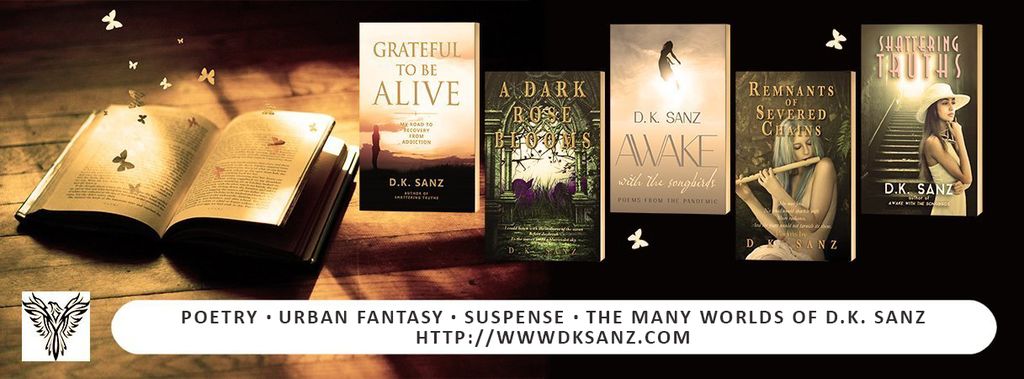

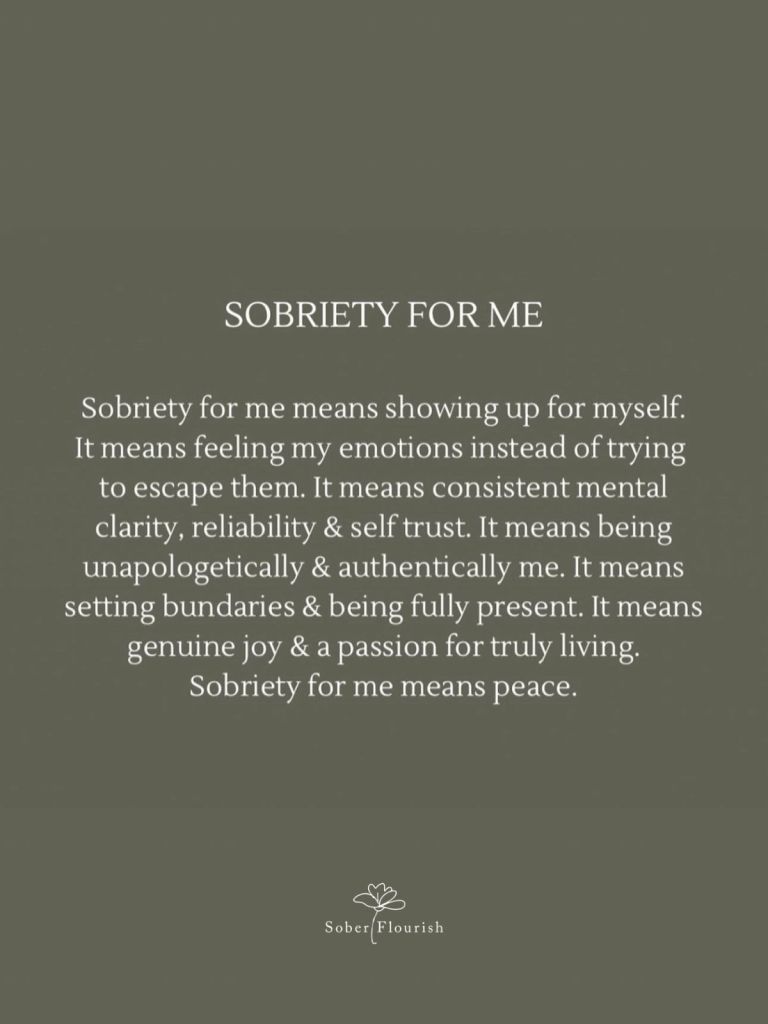


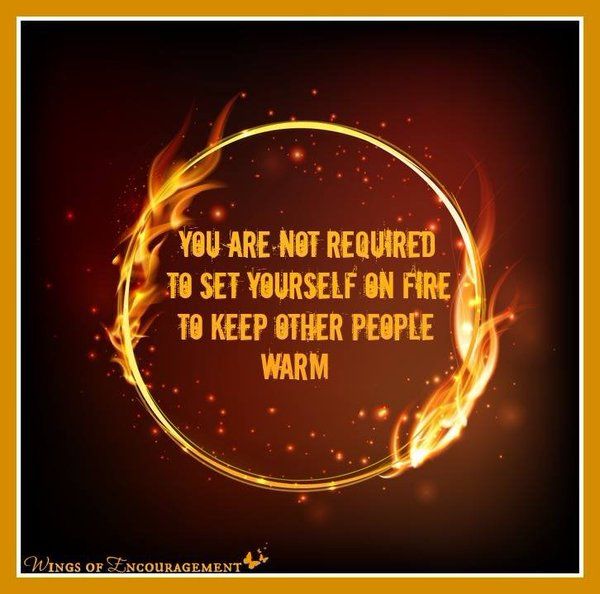





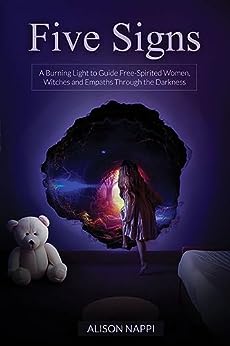








![Grateful to Be Alive: My Road to Recovery from Addiction by [D.K. Sanz]](https://m.media-amazon.com/images/I/41pjKqt1LzL.jpg)


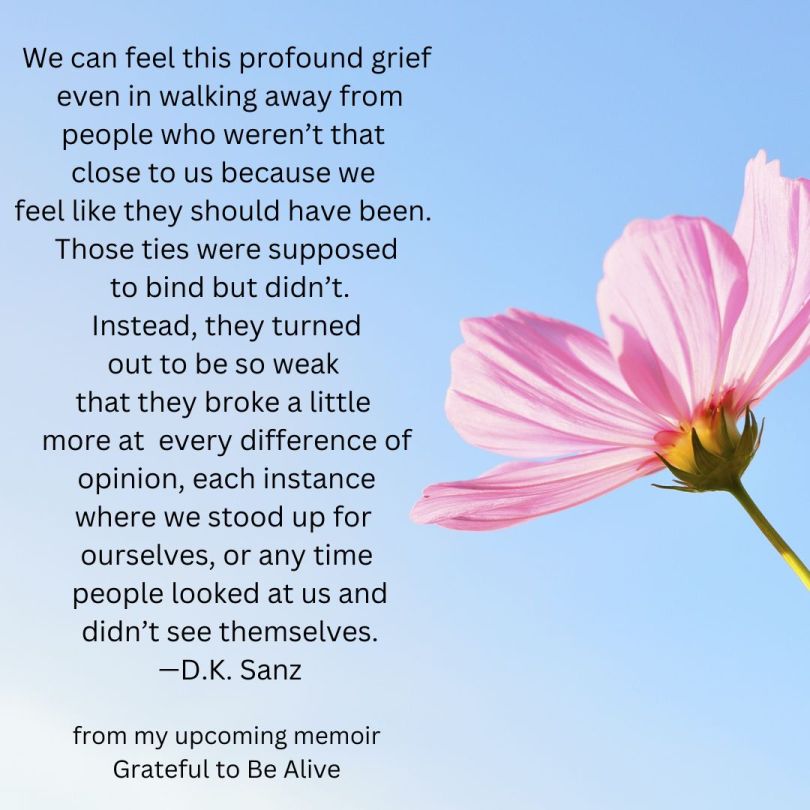


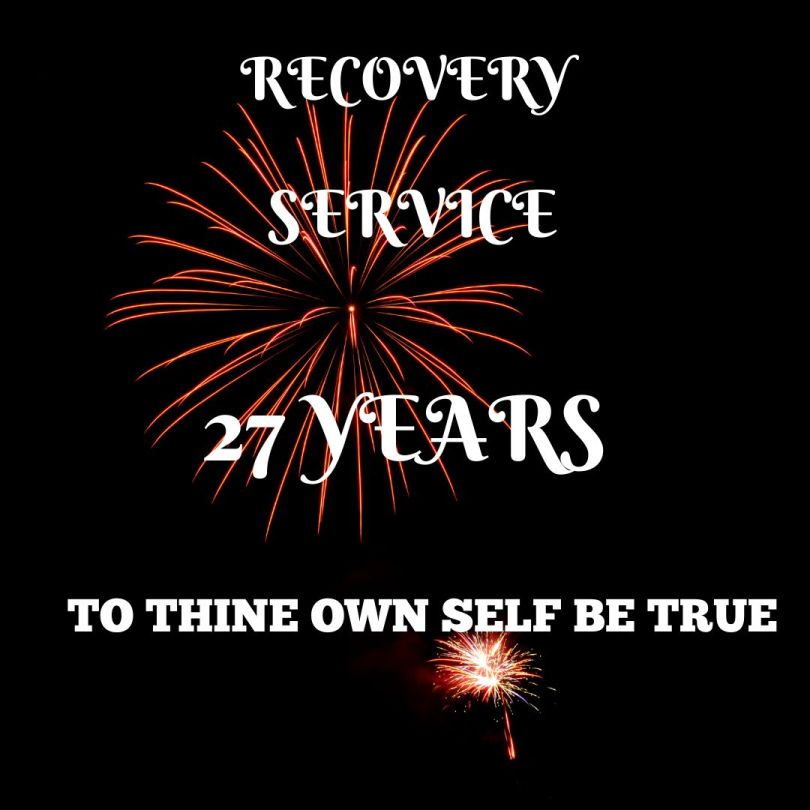









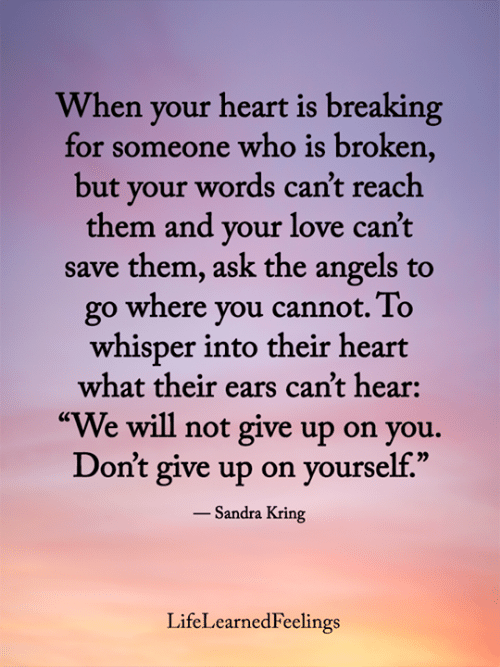










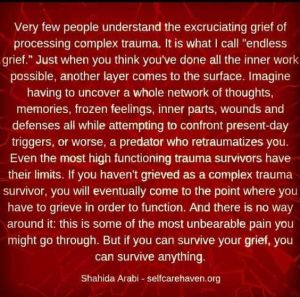
 D.K. Sanz