
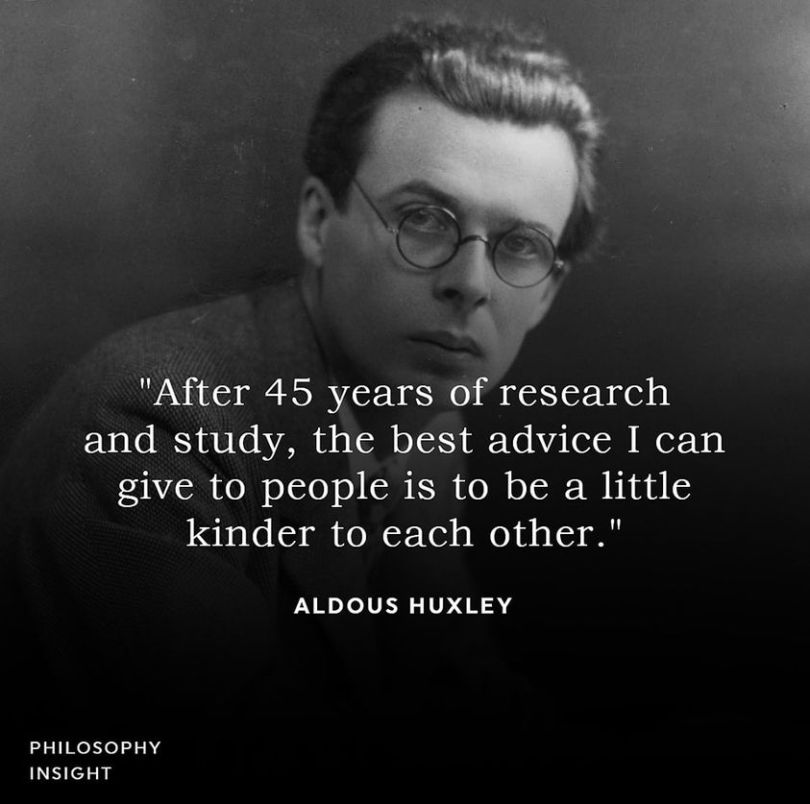
Take care of each other.
What if that was the advice every one of us was given about our fellow humans the moment we could understand?
It always seemed to me that if we all understood one another better or tried to, the world would be a much nicer place. If we can’t even do it individually, how do we do it on a global scale? How do we create a kinder world? This is what I often wonder.
Casting Out “Others”
People see “others” in the sense of “us against them.” Mental health is one of the many issues that place us in an “other” category and that’s what I will focus on in this post, but I want to preface it with this:
There is a subset of humanity that doesn’t understand and accept other races, cultures, sexualities, and gender identities or respect the existence of other religions. It’s usually the same faction that won’t acknowledge socioeconomic, physical, cultural, or mental limitations and the consequences of trauma. They say things like, “There’s no excuse not to succeed,” or “We are all given the same start in life, the same opportunities and choices.” They think we are basically the same in terms of how our brains work and what we are and want. This is categorically untrue.

We can’t assume people don’t try hard to be functional members of society. A lot of people are out there trying a lot harder than others think. Most of us want and expect to be what’s considered normal, functional, and successful despite our circumstances.
When it comes to the different terms we’ve established to acknowledge and support others, there’s a lot of mocking and contempt—especially when it comes to gender identity and sexuality. For a simple example, there are those who can’t comprehend or accept that a person can have limited, if any, desire for sexual contact. But ‘asexual’ is one of numerous terms that have helped people realize what they want as opposed to what other people want. There’s even a term for those who only feel a sexual attraction when they bond with someone on an emotional level—demisexual. These new and updated terms and pronouns, which some people have unfairly criticized as “butchering the language,” are a result of updated knowledge. We use these terms to better articulate the nuances of people’s identities.
Some people want to call it “woke” to acknowledge all of this (as if it were a bad thing!), but what it is is awareness and treating others with empathy and respect. In doing this, we choose to be aware of the struggles of others. We choose to see, validate, and support one another.
“The key to learning is an awareness of where you lack understanding.” —James Pierce
I wanted this post to be about everyone struggling with being cast out for their different set of circumstances, as there are still too many people dismissing their realities. Someone may know or think they know of individuals looking for “special treatment” or to be given what they don’t deserve, so they assume that about anyone in a similar predicament. I feel that, for the most part, all these people want are basic human rights and to be treated with dignity and respect, as well as understanding and acceptance. They’re not looking for pity. They want what most people take for granted—what most people already have. Unfortunately, however, there’s a massive disconnect in society, and I believe a lot of it has to do with what we’ve been taught.
Embracing diversity and divergence simply means understanding that others are not you and can’t do you. Pretending to be what everyone wants or expects is torture for them and leads to disaster, even tragedy. If someone is naturally born closer to the accepted norm, they may not understand what this is like for those of us who aren’t—those of us who have to push ourselves significantly farther from who we are in order to appear the same. All we want is for people to try to understand.
Mental Health
When it comes to mental health, I don’t know what it’s like to be clinically depressed or suicidal, but I know it’s helpful to talk to people who can tell you what that looks like. The same is true for those with bipolar disorder, borderline personality disorder, addiction, and every other issue we’ve heard of. The knowledge helps us, and it helps those battling these issues.
I’m sharing my thoughts here as a neurodivergent trauma survivor diagnosed with general anxiety disorder and having social anxiety to boot. The general anxiety is manageable now and much improved, but the social anxiety is a work in progress. I have no doubt that many people could relate to some or all of what I’ll say here, so hopefully, this helps.
Feeling a degree of anxiety in trying circumstances as part of living, working, and socializing is normal. However, when you have an anxiety disorder, that means your anxiety is well beyond the normal level. It makes your life unmanageable in the sense that you can’t live, work, and socialize the way others do. It doesn’t mean you can’t do well or, in many cases, exceptionally well, but your anxiety interferes and can shut you down. Panic can immobilize you. The anxiety you have kind of lives with you, and you even become anxious about things that haven’t happened yet or are unlikely to happen.
As for the social anxiety disorder, again, it’s not the usual trepidation of meeting new people. There’s a paralyzing fear of judgment there. As for where that comes from, I can only imagine. I want to say it comes from being in past situations where you were judged harshly, situations where someone betrayed your trust, and most definitely from experiencing narcissistic abuse and character assassination. I base my perceptions on my own experience.
I have to constantly remind myself that the past isn’t the present. The way someone behaves may have little, if anything, to do with me since everyone has their own struggles. It’s important to recognize when we need to give people the benefit of the doubt. Even when making a conscious effort to apply these policies, my anxiety activates and needs to be addressed, which leads to a lot of avoidance of social situations, reaching out, and initiating group conversation.
.
And where does neurodivergence play a part?
Neurodivergent people have a different way of processing sensory information, so we experience social situations differently from others. In my case, I had two things going on. The neurodivergent in me was capable of processing or perceiving things inaccurately. However, as a survivor of emotional, physical, and sexual abuse, I learned to study people’s body language and facial expressions and read between the lines of what they were saying, rendering them painfully transparent. It was a trauma response I continued to develop over time, learning to read people well because I needed to know when I was safe or when I might have incurred someone’s wrath, etc. Giving people the benefit of the doubt can be difficult or nearly impossible for a trauma survivor.
Empathy
While we all come to understand our difficulties, we develop more empathy for others because we essentially realize how vulnerable everyone is, whether they are on the spectrum, overly anxious, neurodivergent, or not.
We may even develop empathy for people others strongly feel don’t deserve it, but all it is, really, is a willingness to understand. It’s a benefit of the doubt. It’s a grace we want to extend that we may wish had been extended to us more often. I empathize with those who’ve wronged me the most in my life because I know they were wronged, too, and part of a cycle that needed to end. They were a link in the chain of generational trauma that needed healing. Those people were not all part of my biological family but came from toxic dysfunction that existed in their own families.
In those circumstances, it doesn’t mean you have to approve of what they did or may still be doing. You don’t have to tolerate inappropriate behavior or even forgive the perpetrator, but understanding can help you navigate similar situations and propel yourself away from harm. You learn lessons from history to avoid repeating them, and time and time again, I find empathy is one of the most important lessons to learn.
Life doesn’t need to always be a competition. We’re all faced with hardships, and even when those hardships are not the same, trying to gain a new perspective can help remind you that most people want to be accepted and loved. We’re all in this together, for the most part. We should work together wherever possible and seek to understand and accept each other rather than exclude or marginalize. The problems we face can only be resolved when we’re all on the same page.



 Michael John Sullivan is the creator of the SockKids. Constantly searching for his socks, he wondered whether the missing foot comforters had found another pair of feet to warm. So he searched and searched, until he discovered these elusive socks likely time traveled. Before his interest in socks, Michael started writing his first novel while homeless, riding a NYC subway train at night. After being rescued off the train, he spent much of the past two decades helping raise two daughters while working at home in New York.
 Susan Petrone lives in Cleveland, Ohio with her husband, her daughter, and two silly dogs. When she isn’t writing SockKids stories, she writes novels and short stories (her work has been published in Glimmer Train, Featherproof Books, The Cleveland Review, Muse, Conclave, and Whiskey Island) writes about her beloved Cleveland Indians at ItsPronouncedLajaway.com for ESPN.com’s SweetSpot network. Her most recently, Throw Like A Woman, was published by The Story Plant in 2015.
 D.K. Sanz